

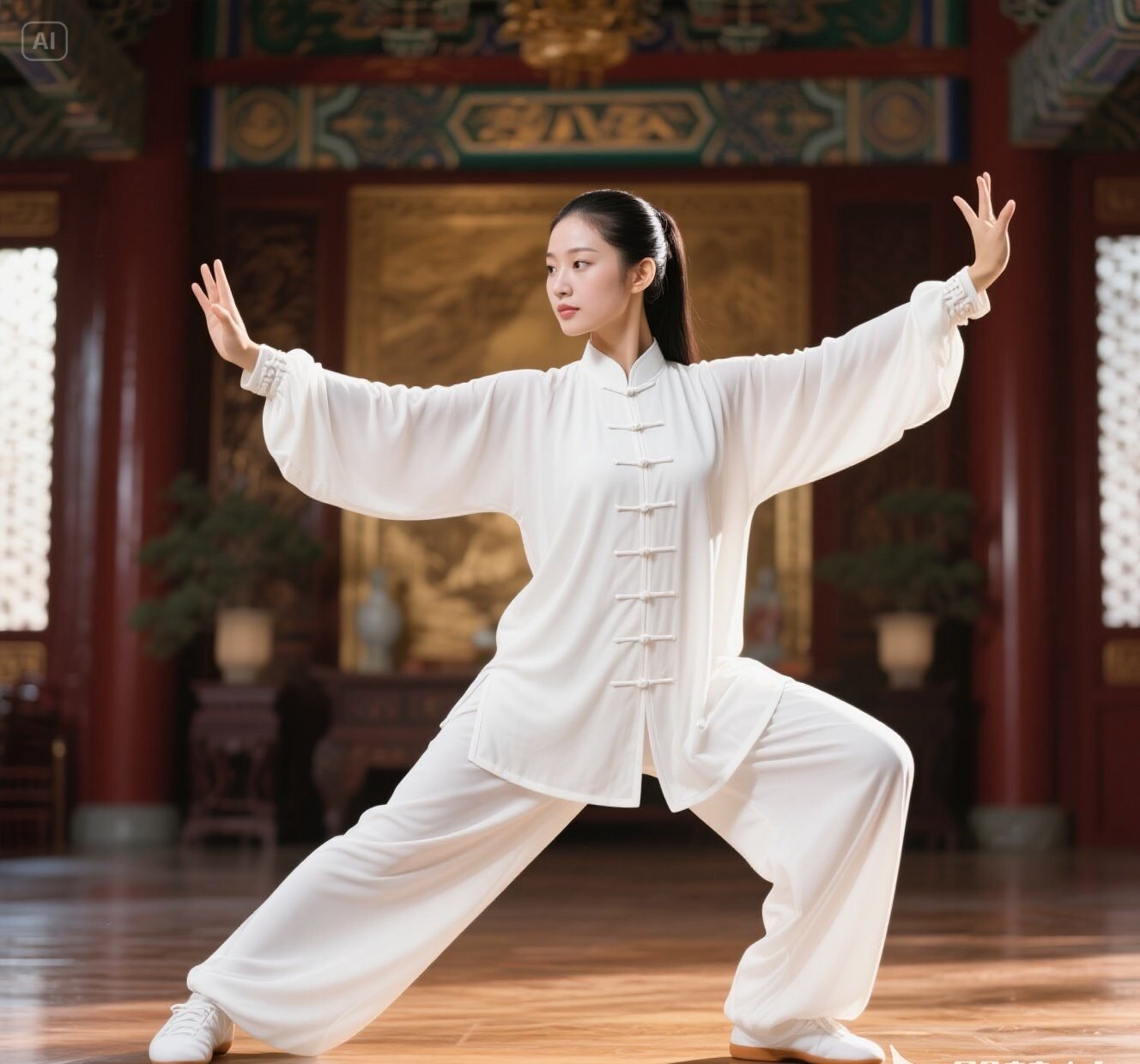
Tai Chi, also known as Tai Chi Chuan, is a centuries-old Chinese martial art that has evolved into a global practice for wellness, health, and mindfulness. Far beyond a simple form of exercise, Tai Chi integrates philosophy, culture, and holistic health, making it a unique practice that nurtures both body and mind. For beginners and seasoned practitioners alike, understanding the historical background, legendary stories, and health benefits enhances the value of practice, while also highlighting its relevance in modern no-equipment fitness and holistic wellness routines.
The Origins and Legendary Stories of Tai Chi
Tai Chi traces its origins to the late Ming and early Qing dynasties. According to Chinese legend, Zhang Sanfeng, a Taoist monk, created Tai Chi after observing a fight between a crane and a snake. While the crane used sheer force, the snake relied on fluidity, flexibility, and internal energy to overcome its opponent. Inspired by this, Zhang Sanfeng developed a series of slow, flowing movements that harmonized breath, mind, and body energy (Qi). These movements became the foundation of what we now know as Tai Chi.
Through the centuries, Tai Chi developed multiple styles, including Chen, Yang, Wu, and Sun, each with unique characteristics but sharing the core philosophy of soft power, fluidity, and mind-body integration. Legendary masters such as Yang Luchan, the founder of the Yang style, and Chen Fake, a modern Chen-style master, contributed to its widespread practice. Yang Luchan’s dedication transformed Tai Chi into a cultural treasure in northern China, while Chen Fake emphasized “softness overcoming hardness,” teaching the importance of flexibility and mental focus over brute force.
These stories illustrate a key principle of Tai Chi: the path to health and wellness is rooted in patience, adaptability, and mindful practice. Understanding the philosophical depth behind Tai Chi transforms the practice from simple exercise into a lifelong journey of holistic well-being.
Tai Chi as a Mind-Body Exercise for Modern Wellness
Modern science confirms what ancient masters intuitively understood: Tai Chi offers profound health benefits for body and mind. Unlike high-intensity workouts, Tai Chi is a low-impact exercise that emphasizes gentle, controlled movements, making it ideal for home workouts, bodyweight exercise routines, or no-equipment fitness practices. Its holistic approach combines mindfulness, meditation, and physical activity to promote comprehensive wellness.
Physical Benefits:
- Balance and Coordination: Tai Chi improves stability and prevents falls, especially among older adults.
- Flexibility and Joint Health: Gentle movements enhance range of motion and reduce stiffness.
- Cardiovascular Support: Low-impact, flowing movements increase circulation and support heart health.
- Immune System Boost: Mindful, consistent practice can enhance immunity.
- Pain Management: Studies show benefits for chronic conditions such as arthritis and lower back pain.
Mental and Emotional Benefits:
- Stress Relief and Relaxation: Mindful movements and controlled breathing lower stress hormones.
- Mental Clarity: Concentrating on slow, precise sequences improves focus and cognitive function.
- Emotional Balance: Tai Chi fosters calmness and resilience, reducing anxiety and mild depression.
- Better Sleep: Regular practice promotes restful sleep and recovery.

No-Equipment Fitness and Holistic Practice
Tai Chi exemplifies gentle, low-impact exercise that requires no equipment, making it highly accessible for modern lifestyles. Unlike gym-based routines or high-intensity workouts, Tai Chi can be performed in small home spaces, parks, or even offices, providing a practical alternative for daily fitness and stress management. Its principles are fully compatible with contemporary trends such as home workouts, bodyweight exercise, and holistic wellness routines.
Integration into Daily Life:
- Practice anywhere without equipment.
- Pair sessions with mindfulness or meditation for mental clarity.
- Include Tai Chi in routines for holistic health: combining balance, flexibility, relaxation, and longevity.
- Use it as a gentle way to counteract sedentary habits common in office and home lifestyles.
By framing Tai Chi as both a mind-body exercise and a holistic lifestyle practice, it becomes more than a physical activity—it evolves into a sustainable path toward health, longevity, and emotional resilience.
Tai Chi Philosophy: Life Lessons for Wellness
The philosophy of Tai Chi is deeply rooted in Taoism, emphasizing harmony, balance, and the integration of opposites (yin and yang). Practitioners learn principles that extend beyond the practice space:
- Softness Overcomes Hardness: Life challenges can be approached with adaptability and patience.
- Balance in Motion and Mind: Maintaining equilibrium in body and thought supports overall wellness.
- Patience and Consistency: Long-term benefits emerge from steady, mindful practice rather than rapid results.
- Mind-Body Connection: True health arises when physical activity, breathing, and mental awareness are aligned.
These principles make Tai Chi not only a tool for fitness but a guide for a healthy lifestyle, encouraging mindfulness, relaxation, and holistic wellness in everyday life.
Conclusion: A Timeless Path to Health and Mindfulness
Tai Chi stands at the intersection of history, philosophy, and health. Its legendary stories—from Zhang Sanfeng observing nature to Yang Luchan and Chen Fake refining techniques—remind us that wellness is a combination of mind, body, and spirit. Modern practitioners can enjoy the same benefits through no-equipment fitness, gentle exercise, and home workouts, integrating Tai Chi into their routines for stress relief, improved balance, flexibility, mental clarity, and overall wellness.
By appreciating Tai Chi’s rich history, understanding its philosophical depth, and embracing its holistic benefits, anyone can cultivate a healthy, mindful, and balanced lifestyle. Whether practiced in a quiet home corner or a serene park, Tai Chi offers a timeless path to longevity, relaxation, and holistic wellness, making it a perfect addition to modern no-equipment fitness and mindfulness practices.