

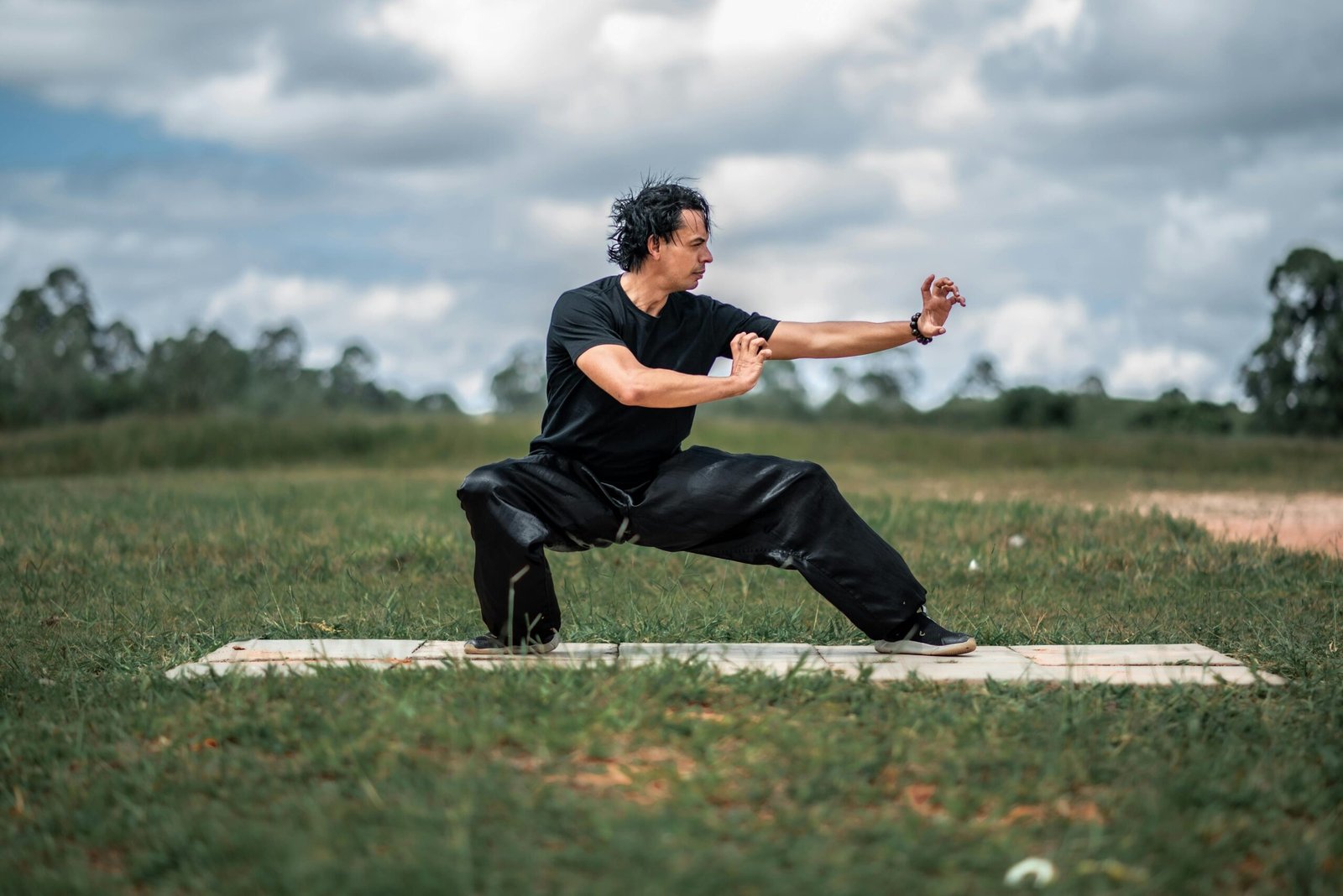
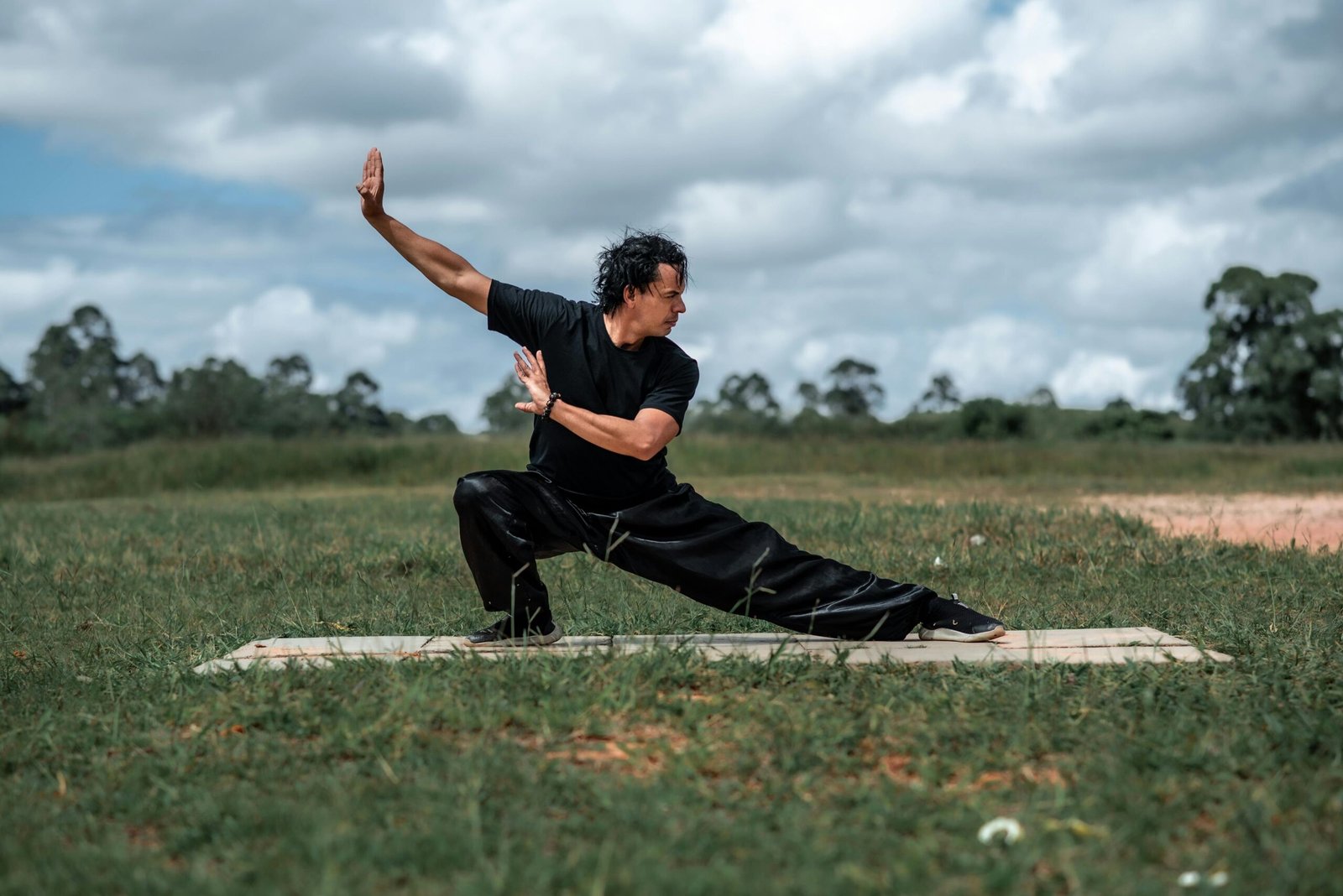
For thousands of years, China’s mountains were seen as sacred retreats where monks, poets, and healers journeyed inward to understand life’s deeper meaning. Among these mountains, none is more legendary than Mount Wudang, a place known for its profound stillness and its role in shaping the inner arts that eventually became Tai Chi.
This article explores the ancient stories of Wudang, the evolution of internal energy practices, and how these traditions formed the basis of modern natural healing and equipment-free wellness. Even today, Tai Chi is practiced worldwide for stress reduction, mobility, emotional balance, and long-term vitality—all without machines or tools.
1. The Mountain That Spoke Without Words
Wudang Mountain was often called “The Silent Mountain.” Travelers wrote that the air felt strangely peaceful, as if nature itself offered guidance through quietness.
Daoist monks lived simple lives in stone huts. Their practice centered on three treasures:
- jing (vital essence)
- qi (life energy)
- shen (spirit)
Their philosophy was simple:
“Those who seek outward are confused. Those who seek inward awaken.”
This became the root of Tai Chi as a healing practice. Instead of relying on tools or strength, it focused on internal balance, breath, and gentle movement.
Stories say monks meditated until their breath matched the wind. Their bodies softened, tension dissolved, and clarity appeared. Through these natural movements, the concept of “movement as medicine” was born.
2. The Story of the Old Sage of Wudang
One of Wudang’s most famous legends is the tale of the Old Sage, a healer known for curing people without herbs or medical instruments.
People arrived expecting complicated rituals. Instead, he asked simple questions:
- “Where is your breath stuck?”
- “Where do you hold your tension?”
- “Do you move with nature or against it?”
Then he guided them through:
- loosening the spine
- opening the hips
- relaxing the shoulders
- grounding the feet
- lengthening the breath
These soft practices restored circulation, reduced pain, and balanced emotions. Villagers often said:
“He healed us with silence, breath, and gentle movements that awakened something ancient within us.”
This early healing philosophy became the foundation of Tai Chi:
the body heals through natural movement and internal harmony, not external tools.
3. The Birth of Internal Energy Arts
Before Tai Chi became known as a martial art, it was first a longevity and health-preservation system, part of the Daoist tradition called Nei Gong (internal cultivation).
Nei Gong focused on:
- body alignment
- breath control
- awareness
- softness
- energy flow
- emotional clarity
Monks practiced slow, flowing sequences at sunrise, aligning their movement with nature’s cycles:
“Rise with the sun. Breathe with the wind.”
These practices eventually evolved into the Tai Chi principles we know today:
- spiraling motions
- relaxed posture
- intentional breath
- grounded steps
- meditative awareness
Even when Tai Chi later included martial applications, its deepest purpose remained wellness, vitality, and living with natural balance.
4. Why Tai Chi Became a Healing Art for All Ages
Tai Chi spread across China because it was accessible to everyone. Its unique strength is that it requires:
- no equipment
- no large space
- no athletic foundation
- no age or fitness limitation
Its popularity grew because it addressed real health needs:
- stiff shoulders and neck
- back tension
- weak legs and balance problems
- stress and anxiety
- poor posture
- lack of movement due to work
Over time, Tai Chi became one of the most widely practiced wellness methods in the world. It offers gentle mobility, natural strength building, and emotional grounding—ideal for adults seeking low-impact, equipment-free fitness.
5. The Philosophy of “Softness Over Strength”
Tai Chi’s wisdom teaches that softness is a form of power:
- soft breath calms the heart
- soft joints move freely
- soft awareness sharpens the mind
- soft steps improve stability
In a world filled with high-intensity workouts and fast-paced lifestyles, Tai Chi became a counterbalance—a practice that heals rather than depletes.
This philosophy influenced many modern wellness trends:
- mindfulness
- breathwork
- mobility training
- low-impact home fitness
- holistic healing methods
Though many modern programs appear new, their roots echo Tai Chi’s ancient principles.
6. Tai Chi and Modern Natural Wellness
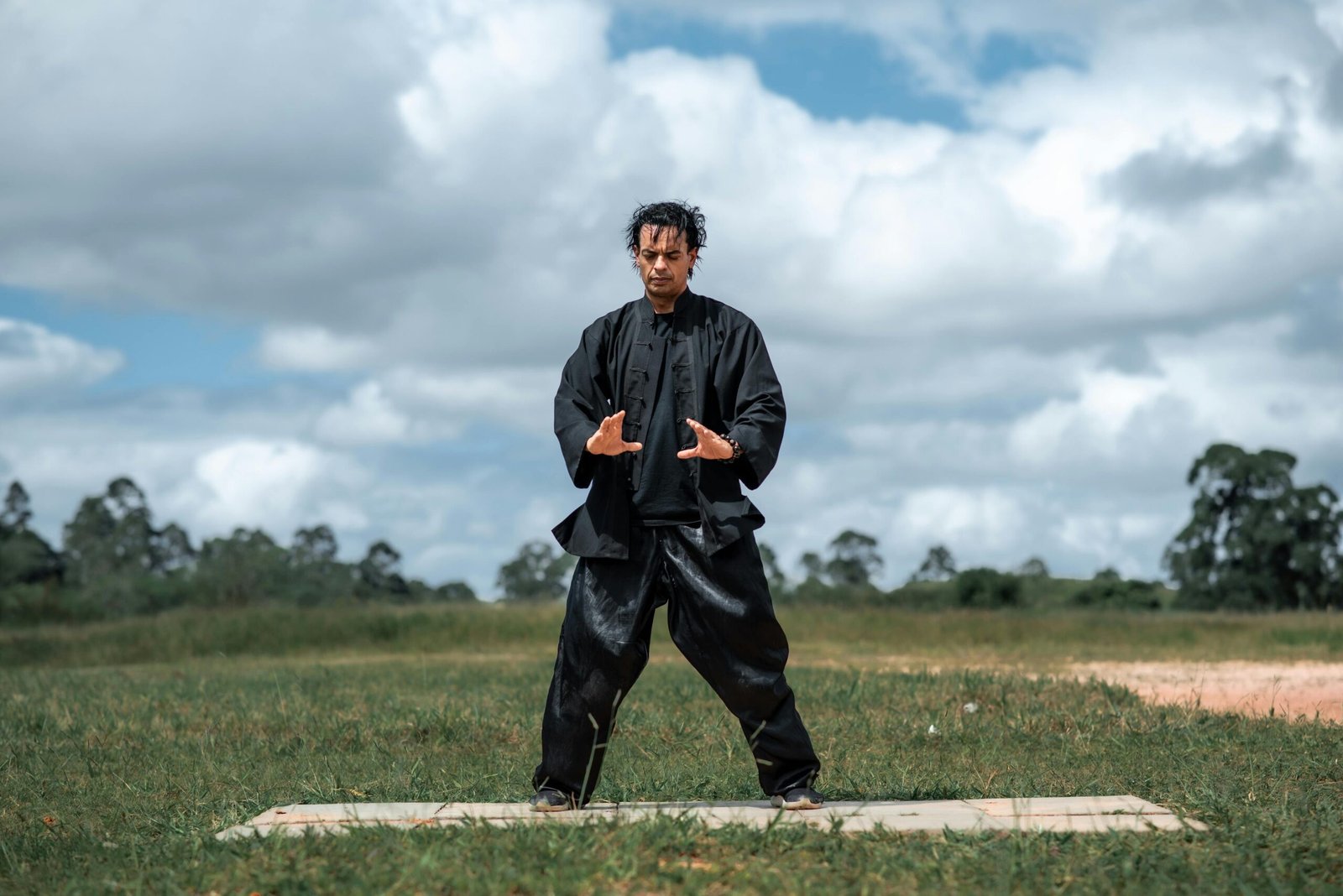
Today, Tai Chi is considered one of the most complete natural wellness practices. It meets the needs of modern adults:
- can practice at home
- safe for ages 30–80+
- reduces stress
- restores mobility
- improves posture
- strengthens legs and core
- helps neck and shoulder stiffness
- supports emotional balance
- complements yoga and meditation
Tai Chi offers something rare in today’s stressful world:
a path back to natural harmony.
7. Conclusion: The Mountain Still Speaks
Though centuries have passed, Wudang’s teachings remain alive in every slow breath and mindful step.
Its message is timeless:
Healing begins from within.
Balance creates longevity.
Movement restores life.