

For thousands of years, Chinese culture has held a simple belief: the strongest forces in nature are often the quietest. Water shapes mountains. Wind bends forests. And in between heaven and earth, life flows in rhythms both gentle and powerful. Tai Chi was born from this understanding—an ancient wellness practice that uses slow movement to awaken strength, restore balance, and guide the body back to its natural harmony.
Today, in a world that measures everything in speed and intensity, Tai Chi stands like a calm old friend, reminding us that slowness has its own power. And when you move slowly with awareness, your body begins to repair itself in ways you may have forgotten were possible.
The Philosophy of Slow Moments: A Return to Natural Balance
Most people today live in a constant rush. They wake up and immediately check their phones. They sit for hours in front of screens, their shoulders stiffening and their breath getting shallow. Tai Chi offers the exact opposite experience—an invitation to slow down, breathe from the belly, and remember what it feels like to be present inside your own body.
Ancient Taoist teachings say that “stillness gives birth to clarity.” Tai Chi begins with this stillness. Before each movement, there is a moment to connect with the breath, to feel the ground supporting your weight, to locate the tension hiding in your shoulders or spine. This gentle awareness acts like a soft light shining into forgotten corners of the body.
Over time, this slow awareness becomes a form of natural healing. Muscles soften. Joints loosen. Breath becomes deeper. And the mind, often pulled in a hundred directions, gently finds its way home.
A Story From the Mountains: How Tai Chi Was Once Taught in Secret
In the old days, Tai Chi wasn’t something taught in public parks. It was guarded closely within families, passed down like a treasured piece of cultural inheritance. One story speaks of a wandering scholar who traveled to Wudang Mountain after hearing rumors of a monk who practiced “movement like drifting clouds and strength like flowing water.”
After months of searching, the scholar found an elderly man moving slowly under the shade of ancient pines. His gestures were unhurried, almost effortless, yet each transition felt anchored to the earth. The scholar watched, mesmerized, as the old man moved through spirals as soft as mist yet filled with unmistakable strength.
When the monk finally spoke, he said something simple:
“Nature never moves fast, yet nothing is left undone.”
This teaching became one of the foundations of Tai Chi philosophy. True strength is not born from force but from alignment, softness, and the steady rhythm of breath.
Why The Slow Movement Heals the Modern Body
Modern science now confirms what ancient practitioners understood intuitively. Slow, controlled movement activates deep stabilizing muscles, improves circulation, and calms the nervous system. When movement is combined with relaxed breathing, the body shifts into a healing state—reducing stress hormones and releasing tension stored in the neck, shoulders, back, and hips.
People who practice Tai Chi consistently often notice changes such as:
- Relief from shoulder tightness caused by long hours at the computer
- A more flexible spine and fewer episodes of lower back discomfort
- Better balance and coordination during daily tasks
- Reduced anxiety and mental fatigue
- Greater lung capacity through slow, mindful breathing
- Improved posture and mobility
Unlike gym workouts that strain joints or require equipment, Tai Chi strengthens the body from the inside out. It builds lasting stability through weight-shifting, gentle spirals, and soft expansions that massage muscles and loosen fascia naturally.
The Beauty of No-Equipment Training: Movement That Fits Any Lifestyle
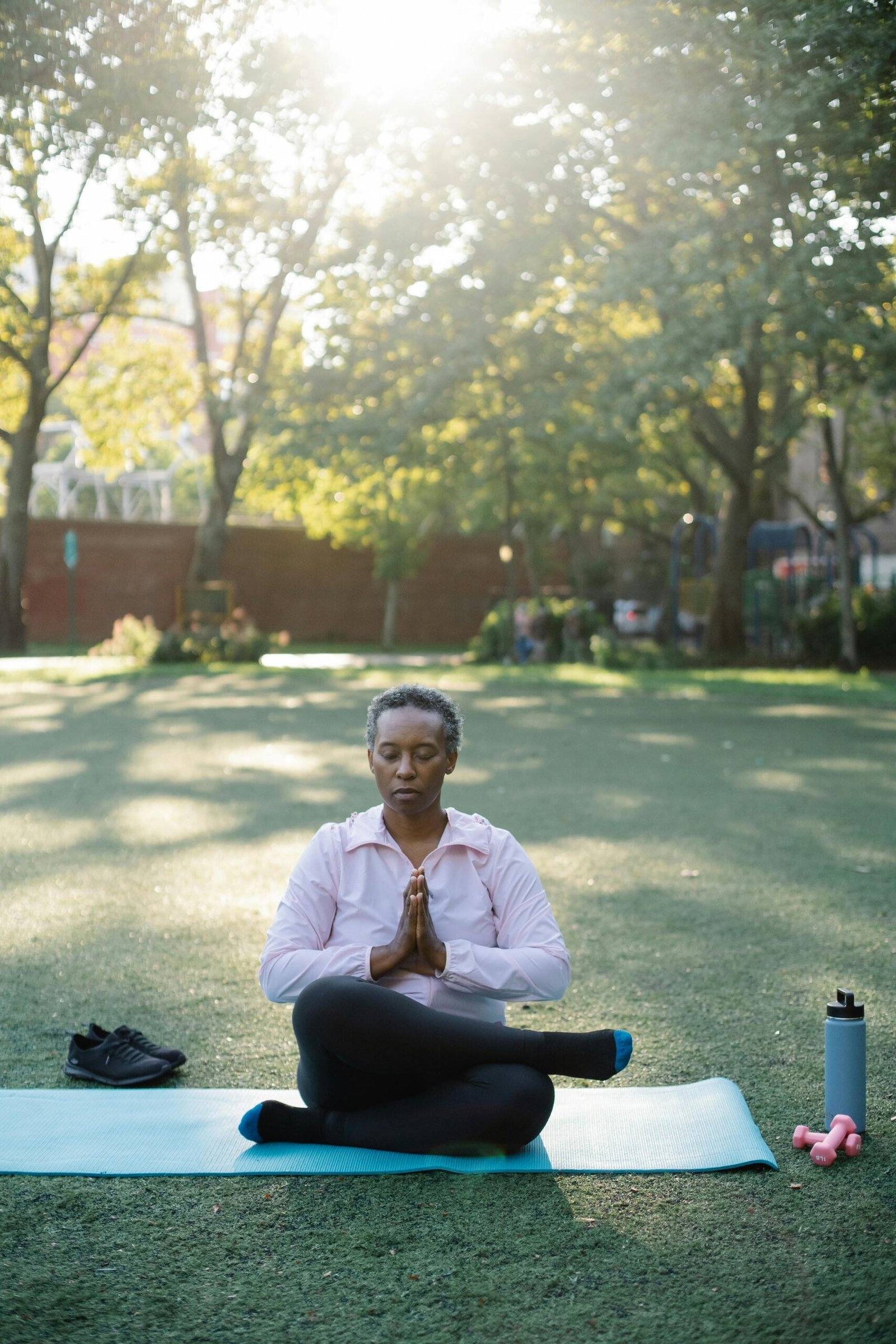
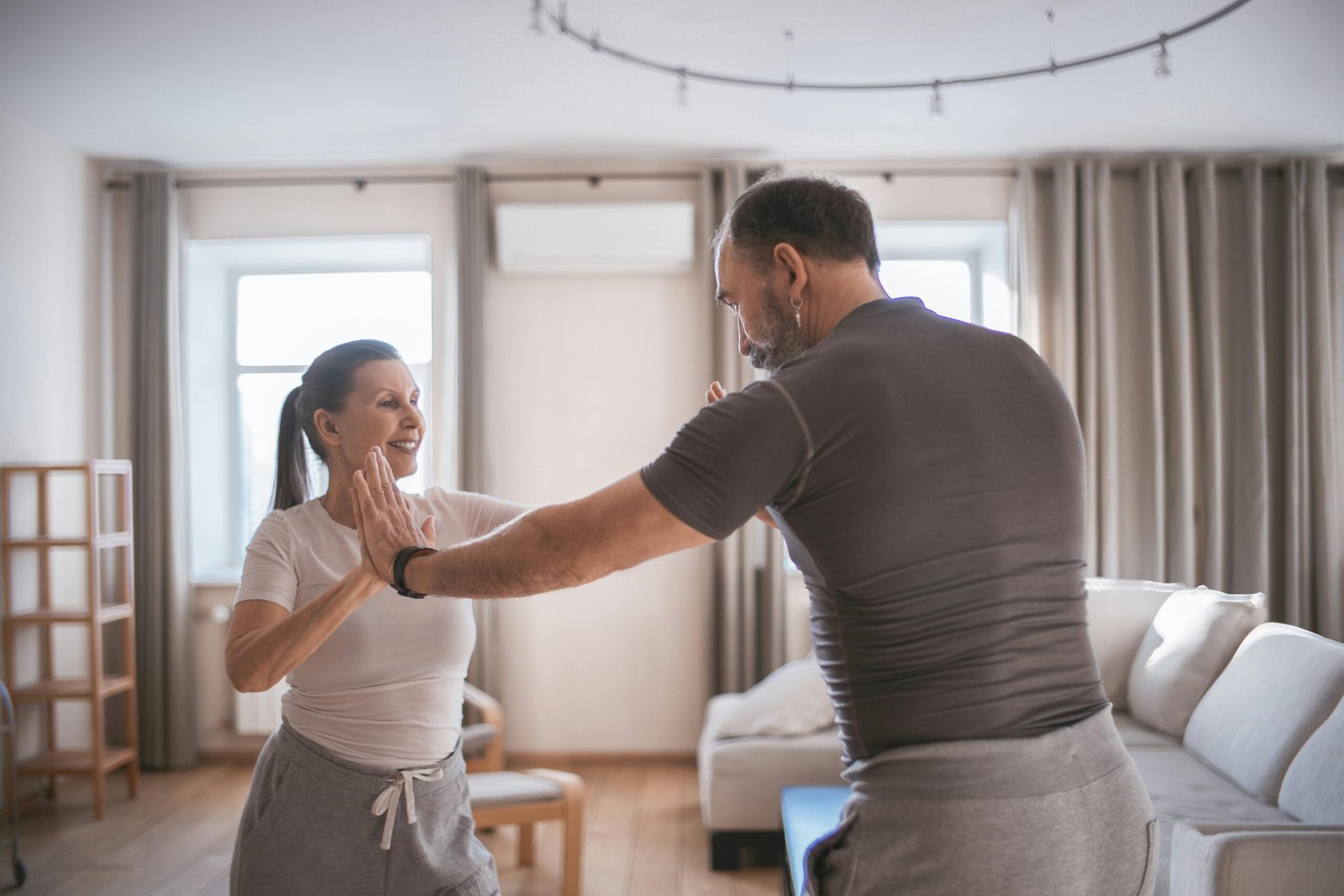
Tai Chi was born from nature, not from gyms or machines. All you need is a small open space—perhaps a quiet corner of your living room, a balcony with morning sun, or a small patch of park grass.
This freedom is part of Tai Chi’s charm. It respects the rhythms of daily life. You can practice for five minutes during a lunch break, or twenty minutes at dusk when the day begins to settle. Its gentle movements make it ideal for adults, seniors, and anyone who wants to feel healthier without sweating through intense workouts.
In a time when many people feel disconnected from their bodies, Tai Chi offers a simple path back—slow, steady, and healing.
The Emotional Side of Tai Chi: A Soft Medicine for the Heart
Tai Chi is not just physical movement. It’s also emotional alignment. When you move with the rhythm of your breath, your mind slowly quiets, and emotional tension begins to loosen. Many practitioners describe Tai Chi as “a moving sanctuary”—a place where stress melts away with each slow shift of the weight.
The more you practice, the more you notice subtle changes:
- Moments of calm arriving unexpectedly during stressful days
- Clearer thinking and better decision-making
- A deeper awareness of your own needs and boundaries
- A softer response to challenges
- A sense that life feels lighter, more grounded
These changes are not dramatic; they unfold slowly, like the opening of a flower at dawn. But they last, and they transform the way you move through the world.
Tai Chi as Ancient Wellness: A Bridge Between Past and Present
Chinese culture has always emphasized cultivating life—养生. Tai Chi is one of the oldest and most complete expressions of this idea. It nourishes the breath, opens the joints, strengthens the legs, calms the mind, and brings the body back to its natural balance.
In modern life, Tai Chi serves as a bridge between ancient wisdom and contemporary needs. It gives people a way to reset their bodies, soothe their nervous systems, and reconnect with their inner stability amid constant external noise.
You don’t need to understand every philosophical concept to feel the effects. The practice itself teaches the lesson: when the body softens, the mind softens; when the breath slows, the heart calms; when movement is gentle, life feels gentle.
Conclusion: When You Slow Down, Life Opens Up
Tai Chi reminds us of something simple but profound: strength doesn’t always roar. Sometimes it whispers. Sometimes it moves slowly. And sometimes the most powerful transformation comes from pausing long enough to feel your own breath again.
You don’t need equipment. You don’t need force. You don’t even need much time.
You only need willingness.
As you follow the movements and allow each breath to guide you, you begin to sense the ancient wisdom behind Tai Chi—the quiet healing, the natural alignment, the subtle strength rising from within.
When you slow down, life opens up.
And Tai Chi is one of the gentlest, most beautiful paths toward that opening.