

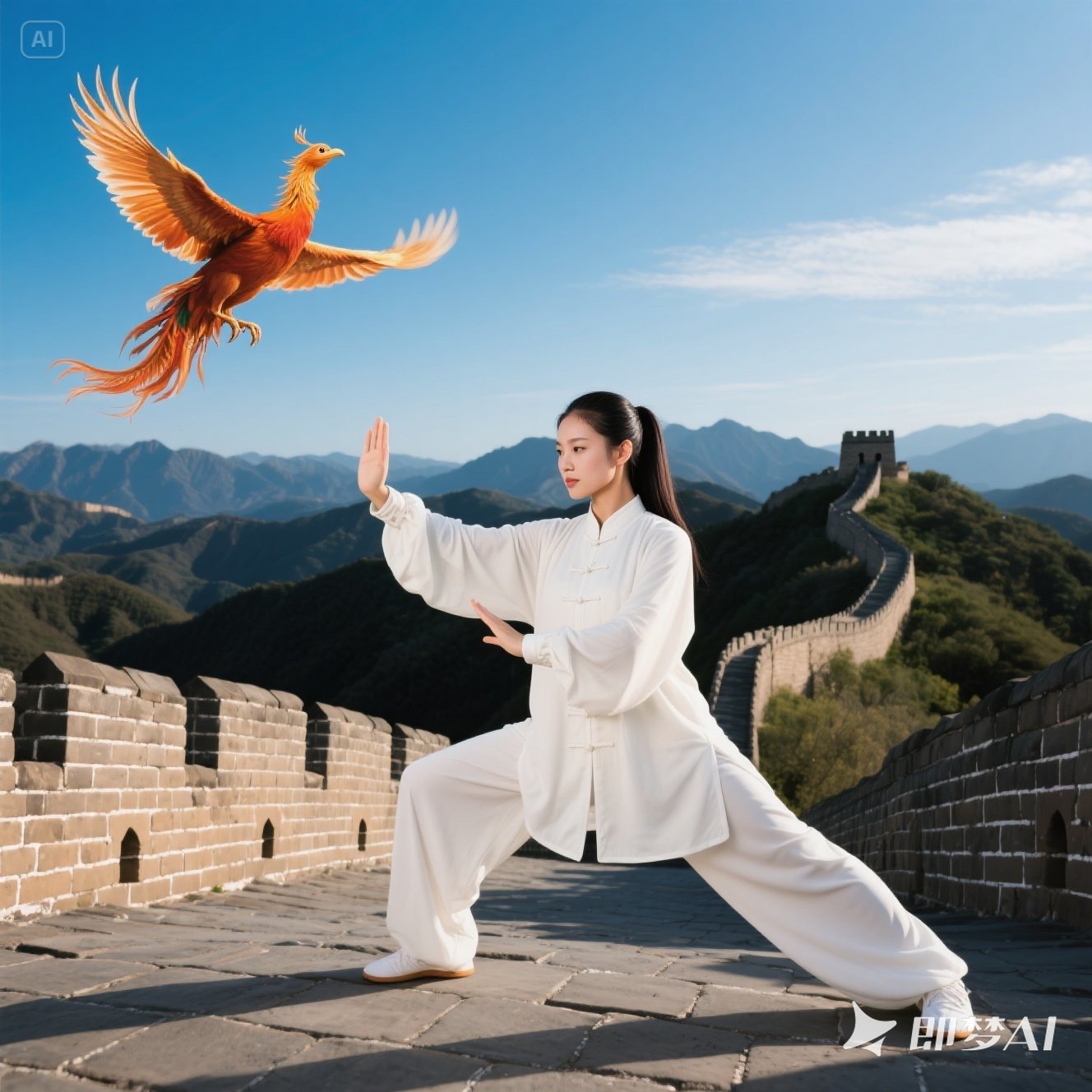
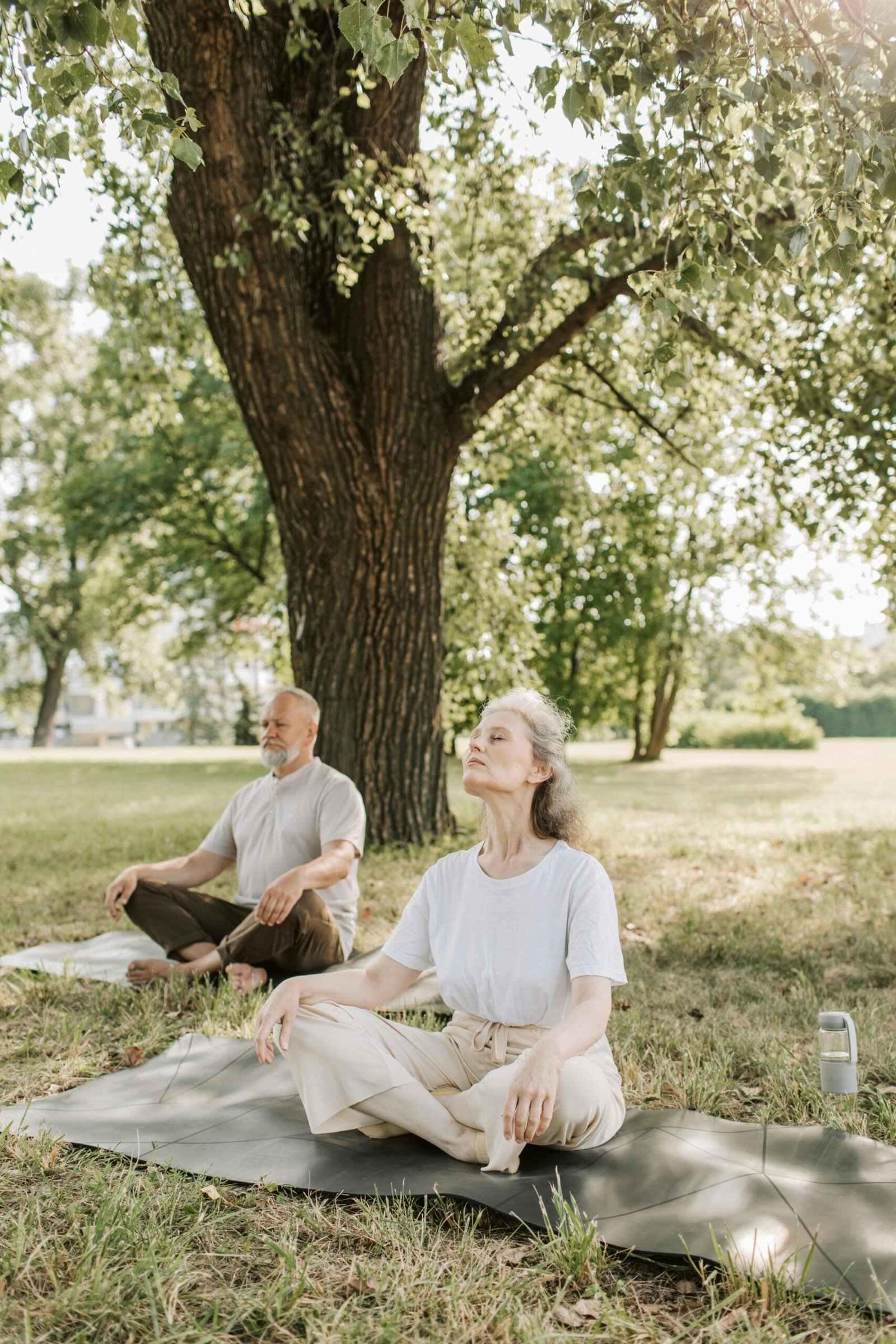
In the quiet mountains of ancient China, scholars often spoke of a simple truth: the world moves, but the wise move slowly. This belief later inspired what we now call Tai Chi philosophy—an approach to life that embraces softness, balance, slowness, and attentiveness to the body’s natural signals.
Today, even without practicing the physical postures, the deeper philosophy of Tai Chi still offers profound guidance for people overwhelmed by modern life. Office workers, caregivers, parents, and anyone living under constant pressure can find clarity and calm through the mindset behind Tai Chi.
1. The Origin of the “Silent Path”
Legend tells of an elderly Taoist hermit living deep in the Wudang mountains. Every morning before sunrise, he would sit beneath a pine tree and listen—not to the wind itself, but to the space between the wind’s flow. He called this practice “the silent path.”
This philosophy became one of the inspirations for early Tai Chi:
- Move with awareness
- Act only when necessary
- Allow softness to resolve resistance
These ideas quietly shaped centuries of Chinese wellness culture. No equipment, no forceful discipline—just the natural intelligence of the body and breath.
2. Why Slowness Heals
In Tai Chi philosophy, slowness isn’t weakness; it’s precision. When we move slowly or live slowly for a moment each day:
- The nervous system shifts out of stress mode
- Muscles release tension instead of accumulating it
- Breathing deepens naturally
- The mind becomes clearer and more stable
Even without performing Tai Chi forms, adopting a slow, mindful daily rhythm can soften neck stiffness, reduce anxiety, and improve sleep. Slowness gives the body time to correct itself.
3. Yin and Yang in Everyday Life
Tai Chi philosophy teaches that life is a rhythm between yin (rest) and yang (action). Modern life, however, pushes most people into constant yang—constant work, constant noise, constant mental activity.
Here is how Yin–Yang thinking can help today:
- When your mind is overloaded, add more yin: quiet time, gentle walks, deep breaths.
- When your energy is low, add more yang: a bit of stretching, fresh air, warm sunlight.
- When your mood is unstable, return to balance: alternate movement and stillness.
This practical balance—not extreme discipline—is what keeps the body healthy.
4. The Story of the Scholar With Chronic Fatigue
A historical tale describes a scholar in the late Ming dynasty who suffered from exhaustion. Doctors prescribed herbs, tonics, and therapies, but nothing lasted. Finally, an elderly teacher told him:
“Your body is not sick; your life is unbalanced.”
The scholar began walking slowly every morning, breathing deeply, and observing nature with quiet attention. After several months, his fatigue faded. He later wrote:
“I was cured not by medicine but by returning to the natural rhythm I once ignored.”
This mirrors countless modern experiences: burnout is not only physical—it is the mind losing its center.
5. The Philosophy of “Soft Strength”
Tai Chi is built on the principle of using softness to overcome tension. This philosophy teaches:
- You don’t need force to be strong
- You don’t need equipment to stay healthy
- You don’t need intensity to heal
Softness is a form of intelligence.
It protects the joints, calms the mind, and supports long-term wellness. This makes Tai Chi philosophy ideal for adults, seniors, office workers, and anyone seeking low-impact, sustainable health practices.
6. A Daily Life Filled With Quiet Wellness
Applying Tai Chi philosophy to everyday life can be simple:
- Sip tea slowly instead of rushing breakfast
- Walk without your phone for five minutes
- Sit with your breath before you sleep
- Let your shoulders drop whenever you notice tension
These small, equipment-free habits build long-term wellness, much like water carving stone.
Conclusion
Tai Chi philosophy is not merely ancient wisdom; it is a practical guide for living well today. The stories of old sages and scholars remind us of something modern society often forgets:
When we return to balance, the body knows how to heal.
When we soften our pace, life becomes clearer.
This is the timeless silent path—one that continues to restore health, clarity, and inner strength across generations.