

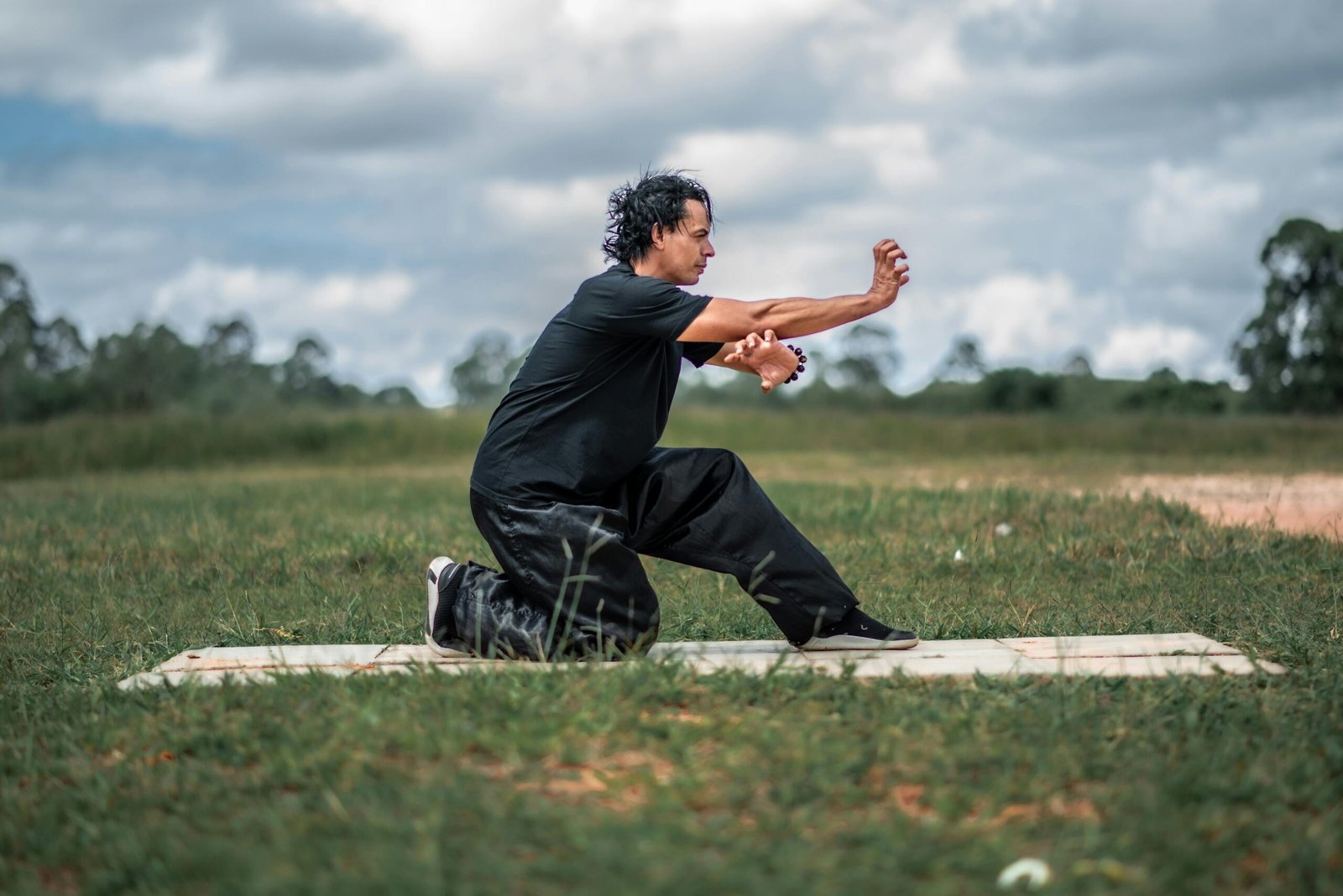
1. A Healing Art Hidden in the Mountains
Long before Tai Chi became known worldwide as a gentle wellness practice, it lived quietly in the mountains — passed secretly among monks, hermits, and traveling scholars.
These men and women lived close to nature:
- breathing the mist of early morning
- feeling the rhythm of the wind
- observing how clouds drifted
- noticing the quiet strength of old pine trees
They discovered that nature never rushed, yet it accomplished everything.
From this observation, they created a health tradition that relied not on force, but on:
- softness
- balance
- circularity
- calm strength
- mindful breathing
This tradition would later be called Tai Chi.
But originally, it was known simply as:
“The method of living in harmony with the world.”
2. The Monk Who Healed Without Medicine
One of the earliest stories came from Wudang Mountain.
A monk named Master Ronghai was known not for martial power, but for healing villagers who traveled for days seeking help.
He never used expensive herbs.
He didn’t prescribe complex rituals.
Instead, he taught:
- proper breathing
- gentle standing
- relaxed spinal alignment
- slow shifting of weight
- soft focus of the mind
- the philosophy of “no unnecessary force”
People with stiff backs, heavy shoulders, tight chests, and constant fatigue found relief simply by learning how to move without tension.
Master Ronghai said:
“When the body relaxes, the blood flows.
When the blood flows, the spirit strengthens.
When the spirit strengthens, illness has no room to stay.”
His teachings spread quietly.
But because he refused fame, his name never appeared in grand histories — only in village stories about the monk “who healed without medicine.”
3. How Soft Movement Became Internal Strength
People often wondered:
“How can something so slow create real power?”
The ancient answer:
“Power comes from removing obstructions, not from forcing strength.”
When movement is slow and natural:
- joints open without strain
- the spine aligns automatically
- breathing deepens
- circulation improves
- tension melts from shoulders
- the mind shifts into calm clarity
- nervous system enters recovery mode
This is the power that Tai Chi preserves —
internal strength, not external force.
It is why even elders in their 70s and 80s could maintain:
- agility
- balance
- stable posture
- calm mood
- coordinated movement
while many younger people struggled with stiffness and stress.
4. The “Three Natural Treasures” of Tai Chi Healing
Tai Chi wellness is built on three ancient pillars:
1) Natural Breath (息)
Deep, smooth breathing relaxes the diaphragm, frees the chest, and reduces anxiety.
2) Natural Posture (形)
Aligned bones support the body effortlessly, releasing pressure from the neck and lower back.
3) Natural Intention (意)
A calm mind reduces overactive nerves, improving sleep, mood, and mental clarity.
When all three come together, the body enters a state called:
“Soft equilibrium.”
A balanced condition that modern people rarely experience.
This state strengthens without fatigue and restores without pain — the foundation of slow-aging health.
5. A Letter From an Ancient Scholar
An old Wudang manuscript describes a scholar named Liu Cheng, who sought longevity.
He wrote a letter after practicing the mountain method (early Tai Chi) for one year:
“My back, once curved, now stands straight as a bow.
My shoulders loosen with each breath.
My thoughts are clear, my temper soft.I have discovered strength that comes not from power,
but from peace.”
This is one of the earliest literary records describing Tai Chi as a holistic system:
- improving posture
- soothing the mind
- enhancing circulation
- awakening body awareness
- reducing chronic tension
6. Why Modern Science Now Supports What Monks Knew
Today’s research confirms what the mountain monks discovered centuries ago:
✔ Slow movement stabilizes deep core muscles
✔ Relaxed posture reduces spinal compression
✔ Soft shifting of weight improves joint lubrication
✔ Deep breathing activates the parasympathetic system
✔ Gentle rotation protects the neck and lower back
✔ Calm focus reduces cortisol and anxiety
Thus, Tai Chi addresses the most common modern issues:
- neck pressure
- shoulder tightness
- stiff back
- shallow breath
- mental fatigue
- stress
- poor posture from long sitting
No equipment, no intensity, no impact —
Only the natural wisdom of how the human body is meant to move.
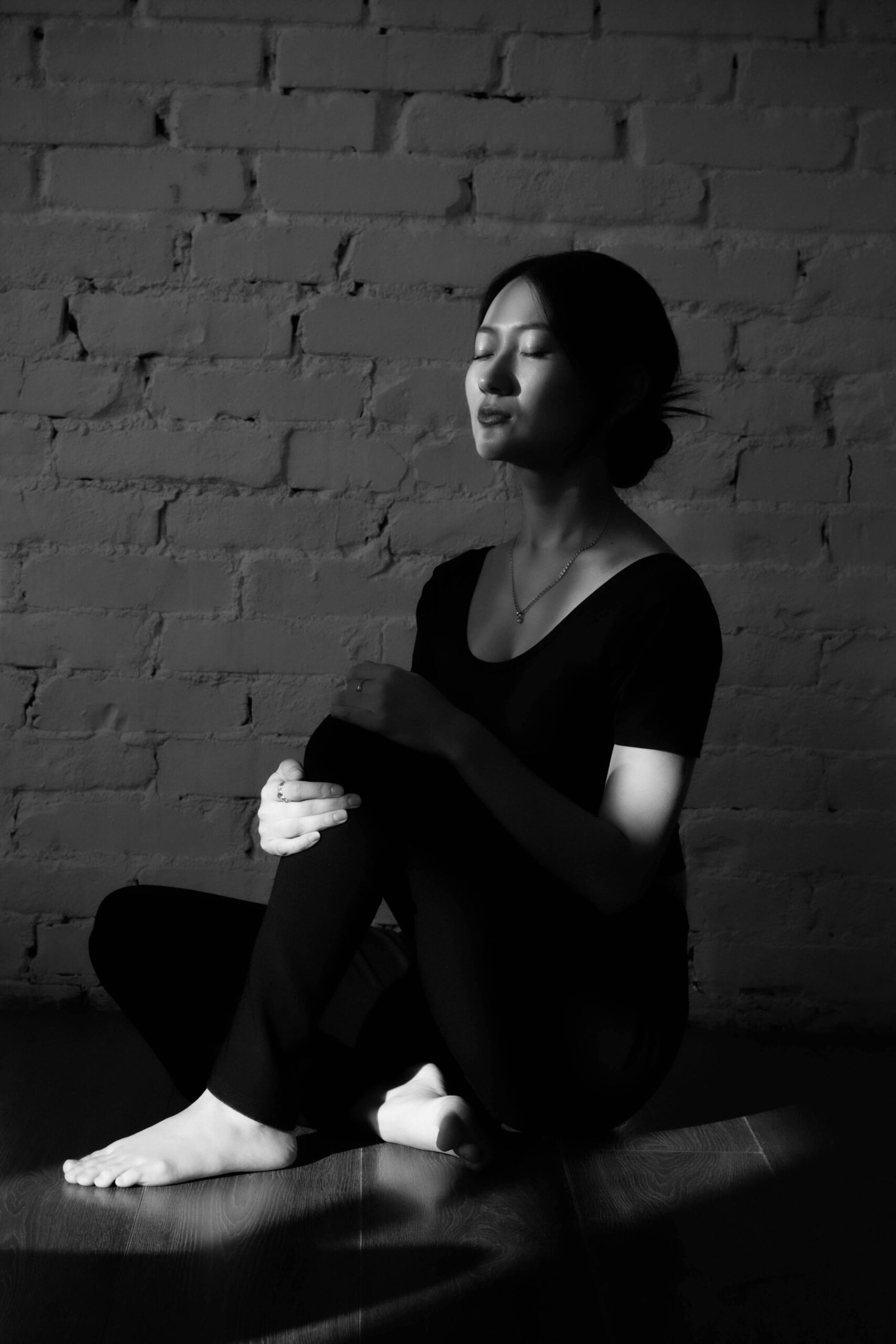
7. The Mountain Legacy That Lives Today
Although the mountain monasteries are quieter now, their teachings survive:
- Move softly
- Stand naturally
- Breathe deeply
- Think calmly
- Follow nature’s rhythm
This is the legacy of Tai Chi —
a healing tradition that asks for nothing yet gives everything:
- clarity
- balance
- emotional grounding
- healthy aging
- long-term mobility
- deep inner calm
It is not a workout.
It is not a martial contest.
It is a gentle companion for the entire lifespan.