

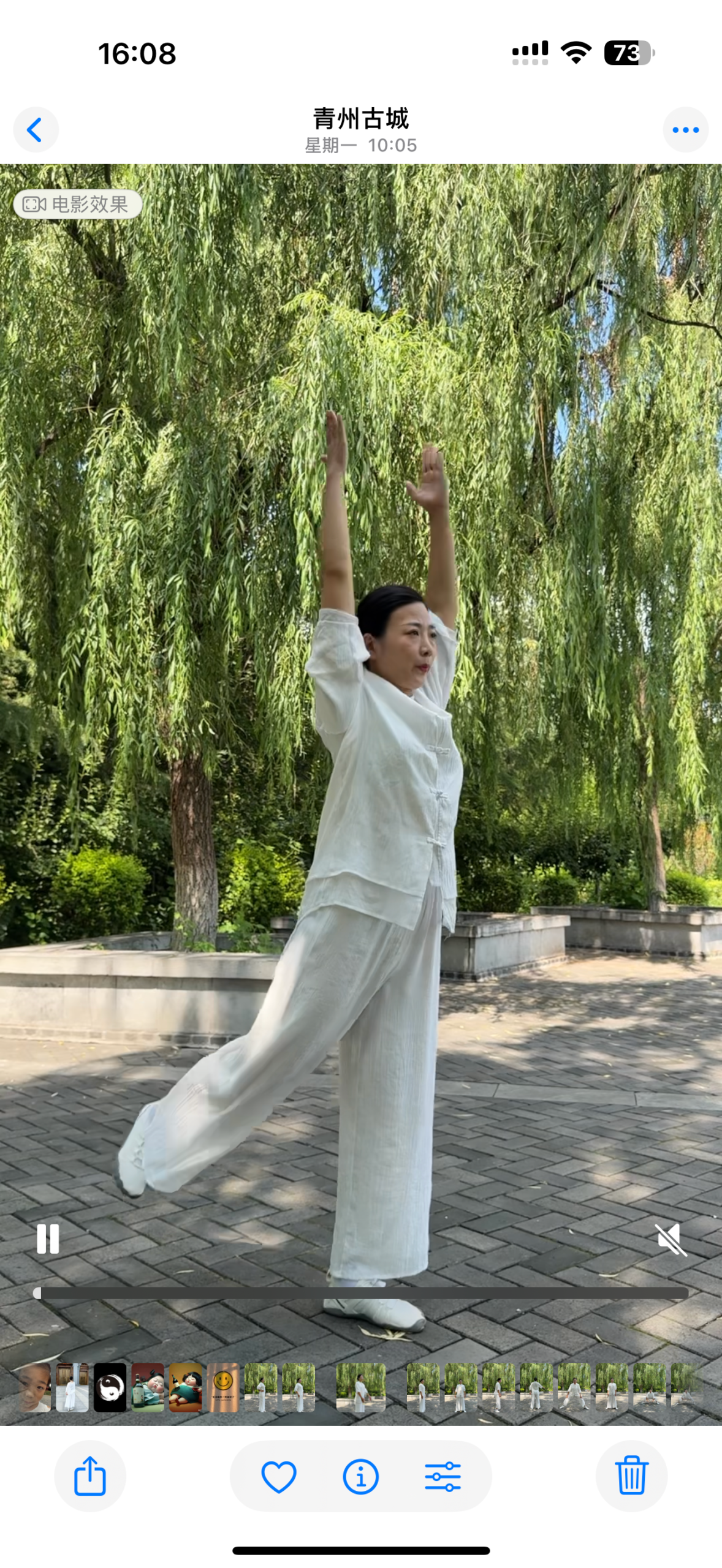
In every era of human history, people have searched for ways to restore vitality, calm the mind, and live in harmony with themselves. Across China’s long cultural landscape, one practice slowly rose to represent this search: Tai Chi. While today it appears as gentle movements performed in parks or quiet rooms, its roots lie in an ancient understanding of breath, energy, and the subtle ways humans connect with the world around them.
Tai Chi is not merely an exercise—it is a way of breathing with the earth.
Ancient practitioners believed that every breath links the human body with nature’s rhythm. Through soft motion and quiet awareness, Tai Chi became a method of realigning that connection, helping people rediscover an internal balance that modern life often disrupts.
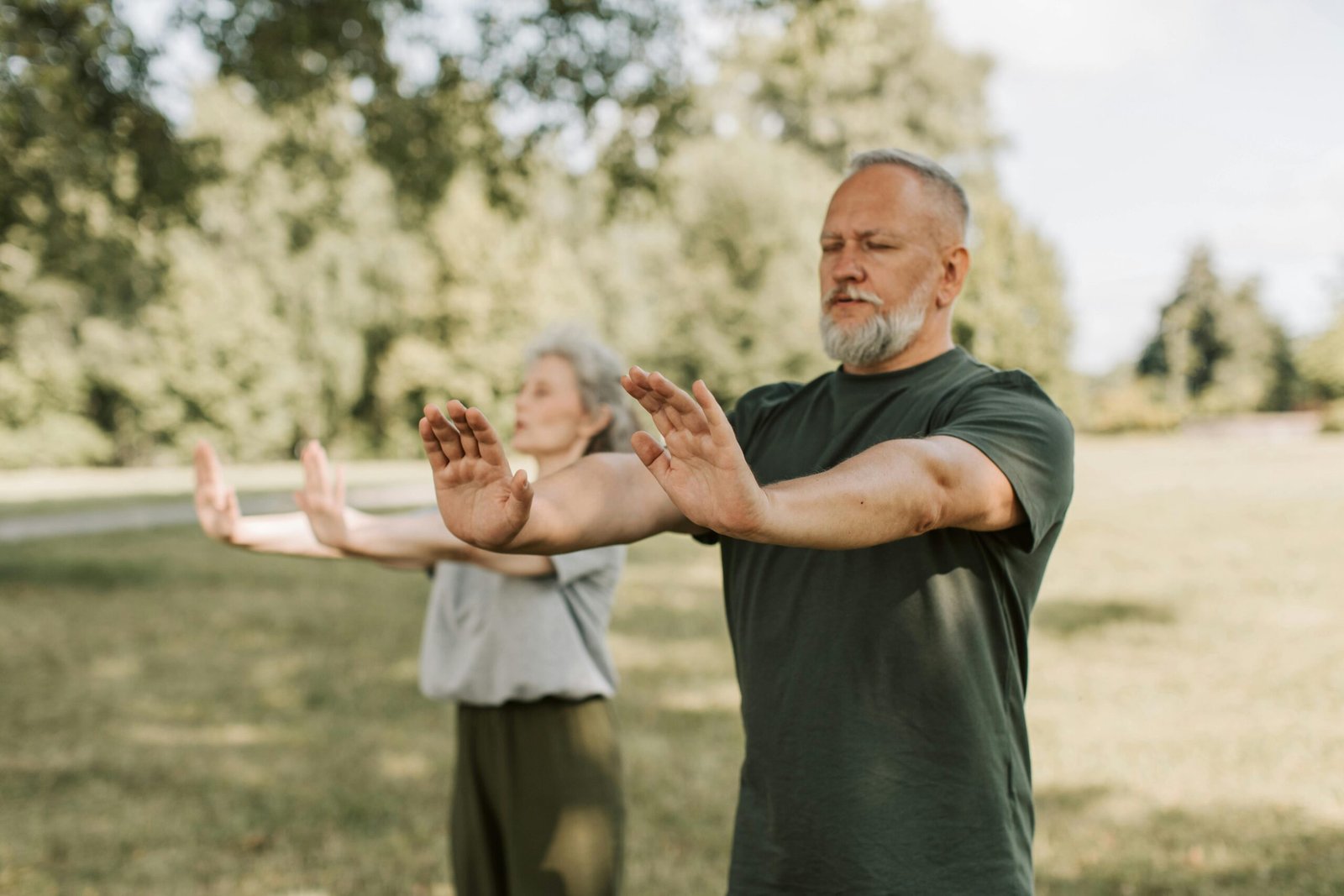
The Ancient Concept of Qi: Energy That Moves Like Wind and Water
In traditional Chinese culture, Qi is the life-energy that flows through all living beings. Early healers described Qi as something like the wind—unseen, yet capable of giving life and movement. Others compared it to flowing water—soft, persistent, able to nourish and transform.
Tai Chi was created as a way to guide and harmonize Qi.
Instead of relying on strength or speed, Tai Chi teaches the body to move like clouds drifting slowly across the sky. Each shift of weight, each rise and fall of the arms, is designed to open pathways of circulation and restore a sense of internal spaciousness.
Modern science describes these effects differently—improved circulation, relaxed muscles, regulated breathing—but the experience is the same: a deep, calm energy spreads through the body.
Breath as a Bridge Between Body and Mind
Tai Chi masters often said, “When the breath is calm, the heart is calm.”
In today’s language, this means that slow, intentional breathing activates the body’s natural ability to relax.
Through gentle inhalation and long exhalation, Tai Chi breathing helps:
- reduce tension in the neck and shoulders
- soften stiffness in the chest and upper back
- improve oxygen flow
- lower stress responses
- restore emotional balance
No equipment is needed. The breath itself becomes the tool.
This relationship between breath and movement makes Tai Chi one of the most accessible forms of no-equipment wellness. It can be practiced anywhere—from a quiet morning balcony to a small corner in a busy home.
The Returning Path: How Slow Movement Builds Lasting Strength
Unlike fast workouts that emphasize intensity, Tai Chi develops strength through slowness. When movements slow down, the legs must support the body with greater awareness. The joints open more naturally. The spine finds its proper alignment.
This slow-building strength is sustainable and especially helpful for people who:
- sit for long hours
- experience lower-back tightness
- feel stiffness when waking up
- want gentle mobility training
- prefer low-impact, bodyweight exercise
Ancient practitioners often lived in mountain temples, where physical labor was minimal but mindful movement was essential for maintaining vitality. Their slow, continuous training laid the foundation for the Tai Chi we practice today.
Reconnecting with Inner Quiet in a Busy World
Tai Chi’s true power lies not only in movement but in the quiet it brings.
Modern life pulls attention outward—notifications, deadlines, constant movement. Tai Chi draws attention inward. As the body slows, the mind softens. As the breath deepens, the heart steadies. With time, practitioners begin to feel a gentle clarity that lasts long after the session ends.
This inner quiet is not empty—it is restorative. It is the space where the body recharges and the mind returns to its natural state.
A Living Tradition for Today
For centuries, Tai Chi was passed from teacher to student, from elders to young learners, from mountain temples to village courtyards. Today, it continues to evolve, but its essence remains untouched: balance, natural movement, breath, and harmony.
In a world searching for sustainable, gentle, and meaningful health practices, Tai Chi stands as a living reminder that wellness does not always require force. Sometimes, all it requires is slow movement, deep breathing, and the willingness to reconnect with the earth beneath our feet.