

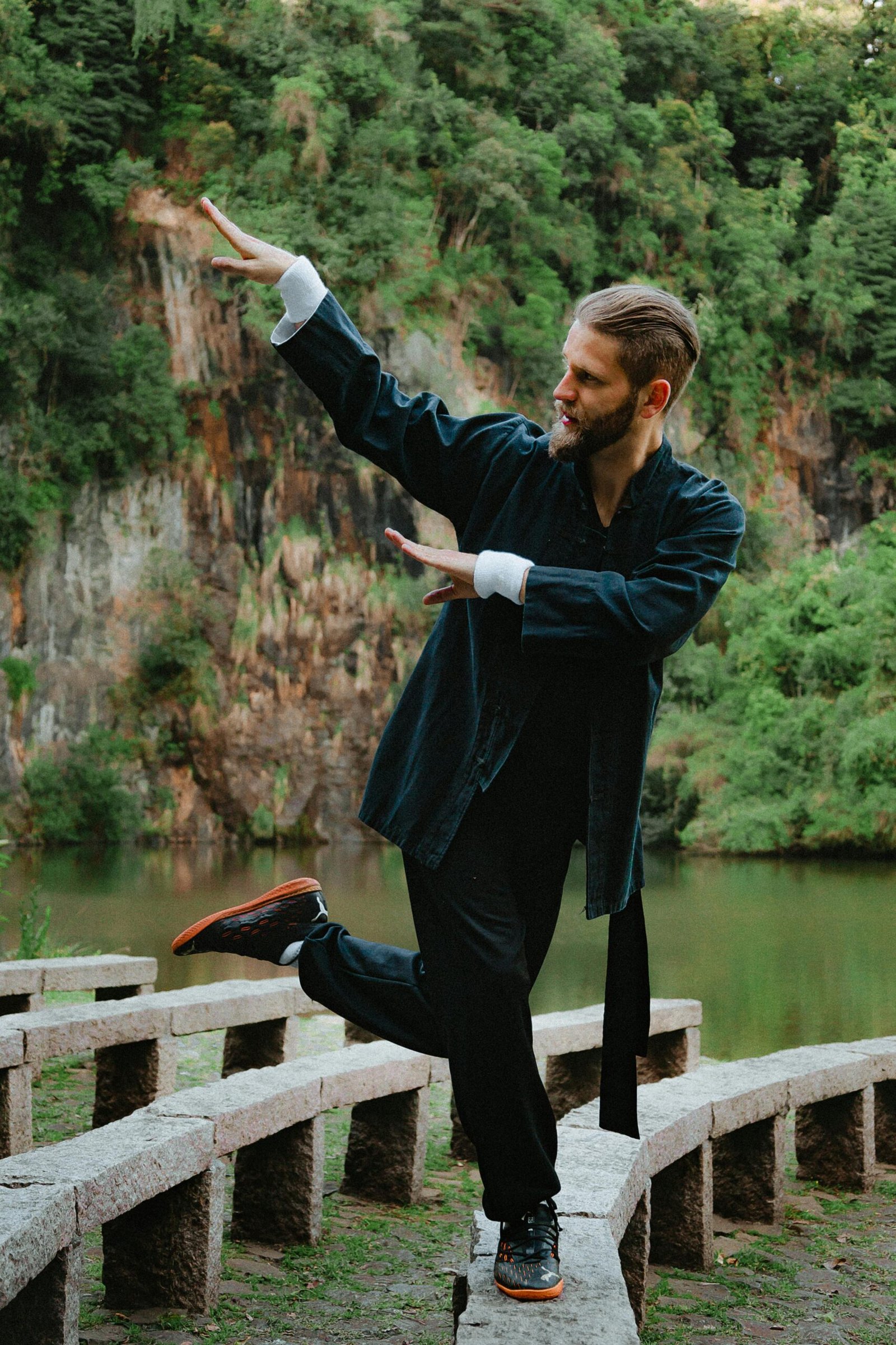
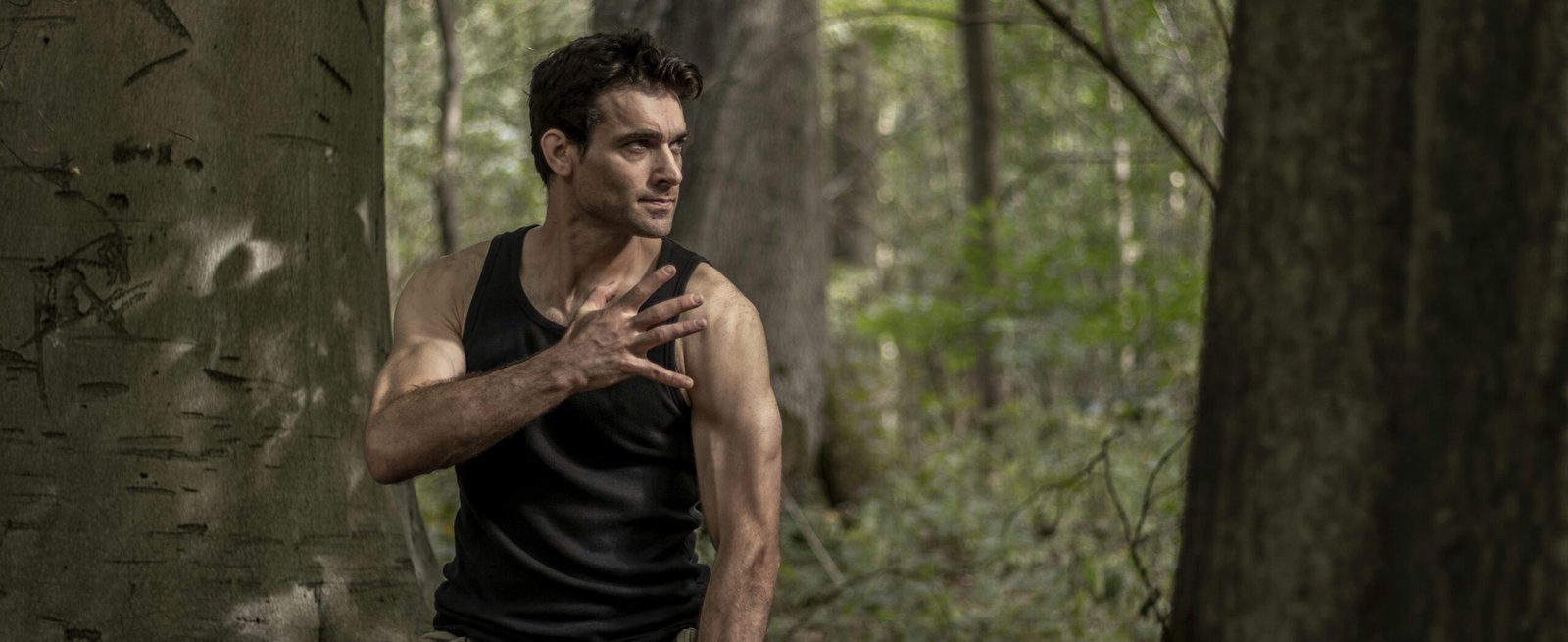
In every ancient culture, mountains symbolized steadiness, patience, and silent strength. In Chinese tradition, mountain life became the foundation of many internal arts, including the philosophy later known as Tai Chi. Before the movements existed, before the forms were created, there was only one lesson:
“The mountain breathes, and so do we.”
This poetic idea taught early practitioners that wellness does not come from force or equipment. It arises from understanding the body’s natural rhythm—much like how mountains interact with wind, clouds, and time. Today, this ancient wisdom offers guidance for people struggling with stress, fatigue, or physical tension.
1. The Ancient Belief: Energy Follows Stillness
Legends describe early Taoist recluses who lived alone in remote valleys. Their health and longevity were not attributed to strict discipline, but to living in harmony with the natural environment.
One famous hermit claimed:
“When you stop fighting your body, your body begins to repair itself.”
This belief is a core principle of Tai Chi philosophy:
- Do less, feel more
- Slow down to sense your breath
- Trust that the body has internal intelligence
Even without practicing Tai Chi forms, adopting this mindset can reduce anxiety, ease muscular tightness, and support stable energy throughout the day.
2. The Story of the Woodcutter Who Never Grew Old
A well-known folktale tells of a woodcutter who lived at the base of Wudang Mountain. Villagers noticed that although decades passed, he always looked youthful and moved with quiet ease. One day a young man asked him:
“Why are you never tired?”
The woodcutter smiled and said:
“I follow the rhythm of the mountain—not the rhythm of the world.”
He explained that he chopped wood slowly, rested when his breath felt short, and allowed his shoulders and spine to stay relaxed. He never forced strength; he simply let the body do what it was designed to do.
This gentle lifestyle mirrors Tai Chi philosophy: efficient, natural movement sustained by soft awareness.
3. How Relaxation Creates Strength
Modern society promotes the idea that strength must come from intensity. Tai Chi offers the opposite lesson:
Relaxation creates power.
When the muscles are soft and the joints uncompressed:
- Circulation improves
- Posture becomes aligned
- The mind stops wasting energy on tension
- Every movement becomes smoother and more efficient
This is why many adults with neck stiffness, back discomfort, or constant fatigue feel better when they adopt Tai Chi principles in everyday life—even if they never practice a single posture.
4. The Body as a Mountain and the Breath as Wind
Tai Chi teaches that the body is like a mountain: stable at the base, light at the top, open in the center. The breath is like the wind: gentle, steady, always guiding the flow.
When the “mountain” (the body) is tense:
- The wind cannot pass
- The mind becomes cloudy
- Energy stagnates
When the body naturally settles:
- Breath deepens
- Shoulders soften
- The spine extends comfortably
- The mind becomes bright and grounded
This imagery helped generations understand alignment without needing equipment or complex instructions.
5. Soft Awareness: The Key to Modern Wellness
Most people today are trapped between fast living and constant pressure. Soft awareness—the ability to sense without forcing—is one of Tai Chi’s most valuable contributions.
It teaches people to…
- Notice tension before it becomes pain
- Feel the breath before stress expands
- Adjust posture before stiffness accumulates
- Calm the mind before thoughts spiral
This approach is subtle but powerful, offering relief to office workers, caregivers, and anyone overwhelmed by daily responsibilities.
6. Returning to a Gentler Way of Living
At its heart, Tai Chi philosophy is not about martial arts; it is about how to live with ease. Ancient teachers observed rivers, clouds, trees, and mountains not out of superstition but out of clarity: nature already knows how to stay balanced.
By returning to a gentle, natural lifestyle—even for a few minutes a day—we reconnect with the same wisdom that sustained generations.
Conclusion
The mountain breathes, and so do we.
Tai Chi philosophy reminds us that our bodies are not machines—they are living ecosystems that thrive when guided by softness, slowness, and natural rhythm.
In a world that asks people to hurry, this ancient path invites us to slow down, breathe deeply, and rediscover the ease that has always existed within us.