

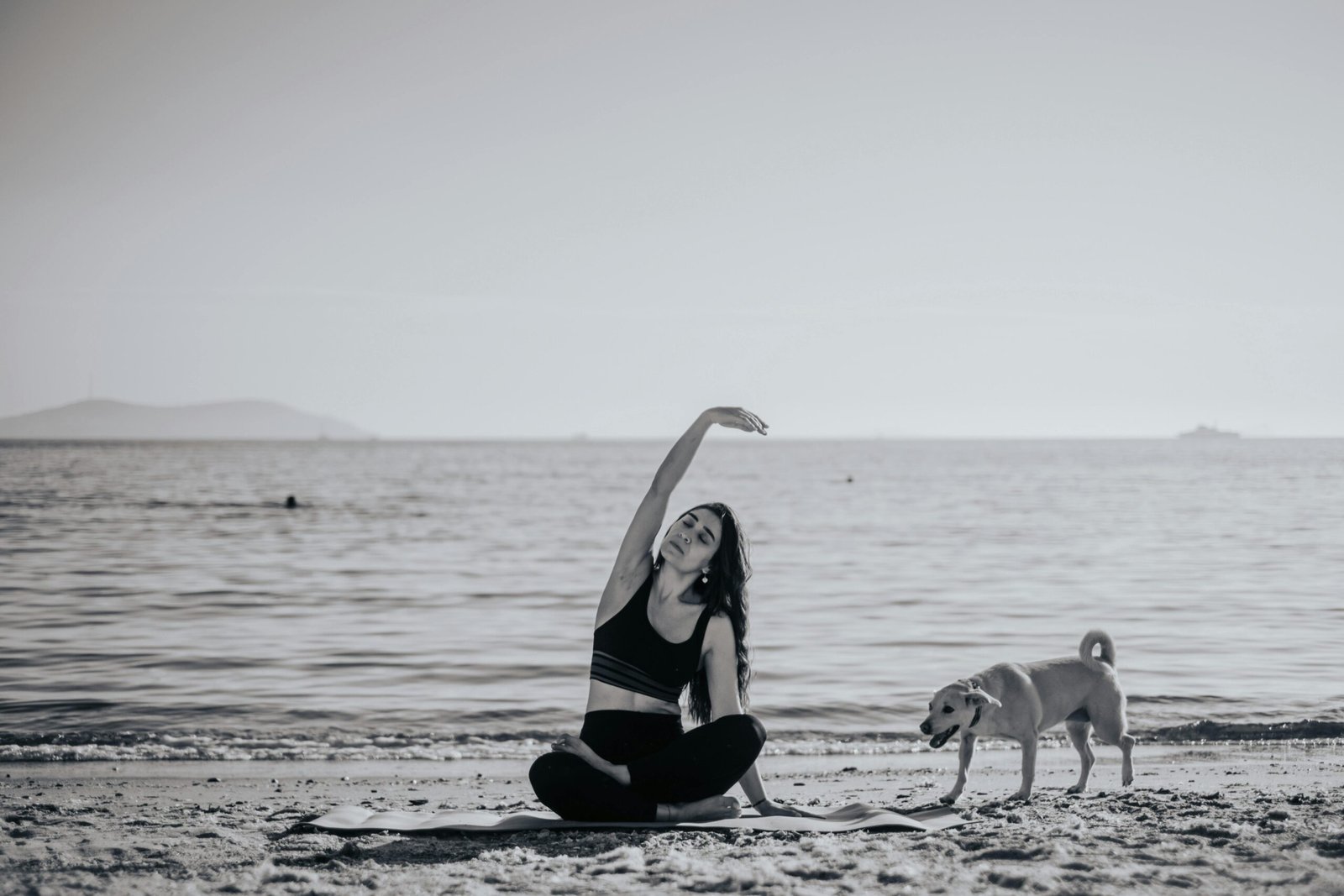
1. The Forgotten Philosophy of Effortless Strength
In ancient China, there was a saying passed down only among scholars and internal martial arts practitioners:
“True strength is not forceful. It is quiet, steady, and impossible to break.”
Tai Chi was built upon this philosophy.
At a time when most martial traditions focused on fast strikes and muscular power, the early Tai Chi masters discovered something different — a form of strength that did not rely on tension, speed, or aggression.
This “soft strength” came from:
- natural posture
- effortless alignment
- deep, slow breathing
- relaxed but aware movement
- calm intention
Instead of fighting against the world, Tai Chi taught people to move with it.
Instead of exhausting energy, it taught them to preserve it.
This idea allowed Tai Chi to survive for centuries, even as dynasties rose and fell.
2. The Story of the Scholar Who Avoided Exhaustion
During the late Ming dynasty, a scholar named Gu Yitian suffered from chronic fatigue, tense shoulders, and constant headaches caused by long nights of reading.
Doctors prescribed expensive herbs, but the relief never lasted.
One winter, he visited an old friend in the mountains. There, he saw a hermit moving slowly in the snow — soft circles, gentle steps, arms flowing like clouds.
Gu asked, “Master, what kind of exercise is this?”
The hermit replied:
“This is the art of returning strength to its origin.
When you relax, strength naturally appears.”
Gu practiced daily, shockingly discovering that:
- the more he relaxed, the lighter his body felt
- the slower he moved, the more his joints opened
- the less he forced, the stronger he became inside
Within months, his fatigue faded, his spine straightened, and his mind became sharper.
He later wrote:
“Tai Chi rescues us not by adding more effort,
but by removing what blocks natural vitality.”
This line became one of the earliest documents describing Tai Chi as a wellness practice, not just martial art.
3. Why the Ancients Trusted Soft Strength More Than Muscles
Traditional Chinese health philosophy (中医养生) believed:
muscle strength fades,
but internal strength grows with age.
This inner strength includes:
- smooth joint mobility
- stable posture
- free-flowing breath
- balanced emotions
- calm nervous system
- strong back and spine
- clear mental focus
Tai Chi became the ultimate “no-equipment longevity system,” designed for:
- adults with low mobility
- people recovering from stiffness
- stressed office workers
- individuals with weak circulation
- those needing gentle movement
- anyone avoiding high-intensity workouts
That’s why modern wellness trends now call Tai Chi:
- “the best low-impact exercise for adults”
- “a gentle movement system for lifelong mobility”
- “meditation in motion”
- “the world’s most sustainable fitness practice”
Soft strength lasts longer than muscles — this was the ancient secret.
4. The Natural Power Hidden in Slow Movement
Modern physiology now explains what ancient masters already knew:
✔ Slow movement activates deeper muscle layers
✔ Breathing deeply resets the stress response system
✔ Gentle rotation protects the spine
✔ Relaxed posture improves circulation
✔ Calm intention improves nervous system coordination
Tai Chi’s slow “cloud-like” movement trains the body without strain:
- no equipment required
- no jumping
- no pressure on knees
- no fast repetitions
- no risk of exhaustion
This makes Tai Chi perfect for:
- people who sit long hours
- adults over 30 or 40
- women seeking gentle mobility
- beginners needing safe routines
- individuals looking for longevity wellness
Tai Chi is not only martial art — it is a lifestyle system for preserving energy.
5. Why Soft Strength Is More Important Than Hard Strength Today
Most modern people face:
- stiff neck and shoulders
- back pressure
- shallow breathing
- mental fatigue
- anxiety from screens
- poor posture from sitting
- low circulation in the lower back
For these problems, traditional workouts often make them worse.
But Tai Chi provides the opposite:
✓ It repairs rather than damages
✓ It calms rather than excites
✓ It restores rather than consumes
Soft strength is the missing foundation in the digital age —
a path to aging gracefully, moving freely, and living with balance.
6. Tai Chi as a Gentle Companion for Modern Life
Tai Chi requires no equipment and can be done:
- at home
- in a small room
- in a park
- during a work break
- in the morning or evening
It fits into any lifestyle because the movements follow natural laws:
- circular
- smooth
- grounded
- effortless
- slow
- connected
This is why millions worldwide use Tai Chi as:
- a holistic fitness method
- a no-equipment workout
- a gentle mobility practice
- a stress relief routine
- an evening relaxation ritual
Soft strength is not weak —
it is the strength that lasts a lifetime.