


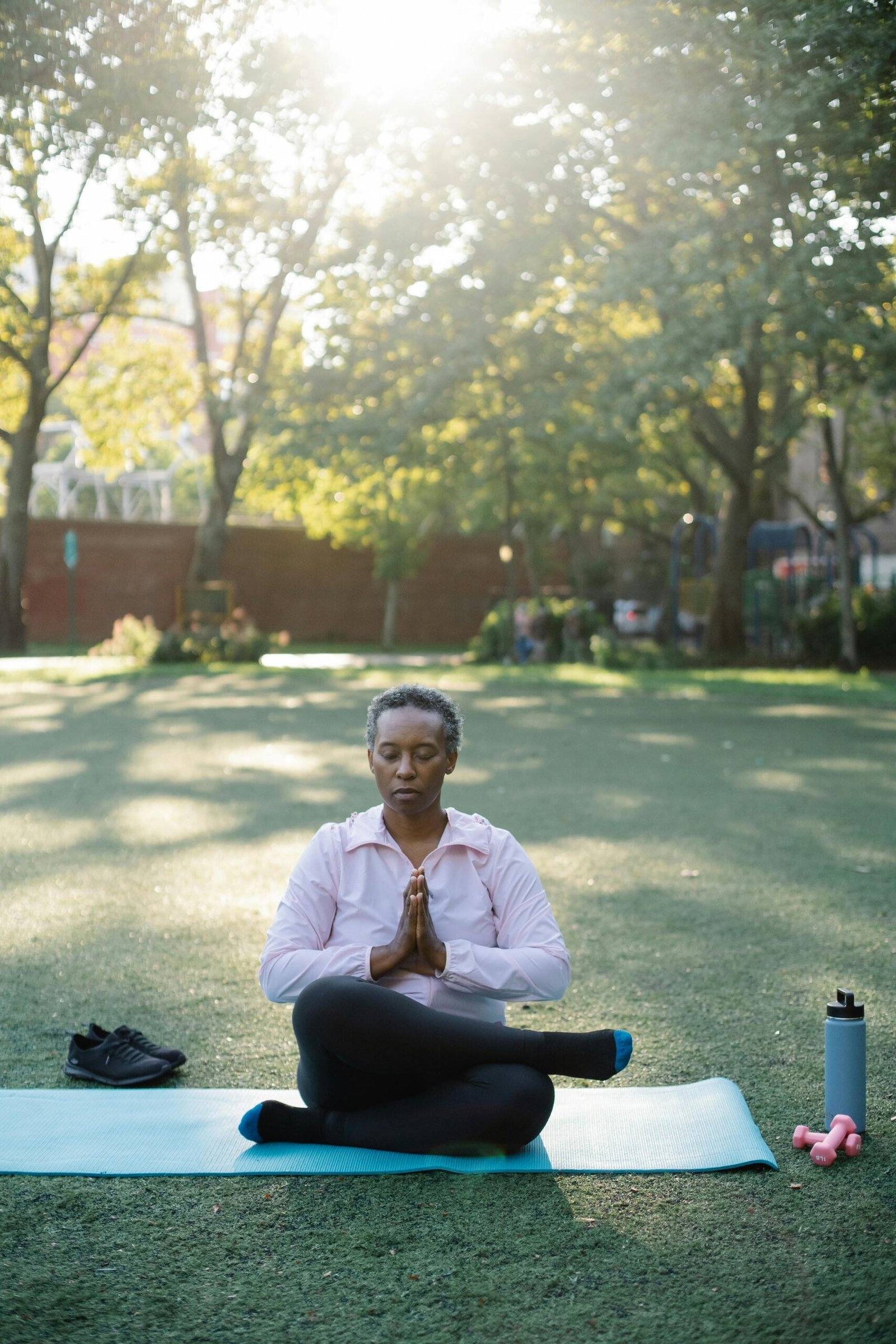
Tai Chi has traveled across centuries, carrying with it an ancient wisdom that continues to guide people toward balance, vitality, and inner peace. While many people see Tai Chi as slow movement, its true value lies in its philosophy, legends, and the deep health benefits that come from practicing gentle, mindful, equipment-free exercise. In today’s fast-paced world, Tai Chi offers a rare combination of physical wellness, emotional stability, and spiritual grounding—something modern life desperately needs.
This article explores the hidden teachings behind Tai Chi, the ancient masters who shaped its journey, and the modern scientific benefits that make it one of the most effective low-impact wellness practices for adults, office workers, and anyone seeking natural healing.
The Ancient Roots: Soft Power, Internal Strength, and the Path of Harmony
Tai Chi did not begin as a fitness trend. It was born from Chinese philosophy, especially Taoist teachings about nature, balance, and the flow of life. The legendary Taoist monk Zhang Sanfeng is said to have developed Tai Chi after witnessing how softness could overcome aggression. During his meditation on Wudang Mountain, he observed how natural forces interact: water flowing around stone, wind bending trees, and animals moving with instinctive efficiency.
One famous story tells of Zhang Sanfeng witnessing a snake and crane in combat. Instead of resisting the crane’s attacks, the snake bent and yielded, redirecting force until the crane tired. This story became the symbol of Tai Chi’s core idea: the more relaxed and adaptable you are, the stronger you become.
This philosophy is still central to Tai Chi today. Slow movement is not weakness—it represents control, awareness, and internal strength. Through gentle shifting, coordinated breathing, and mindful focus, practitioners cultivate a type of power that does not rely on muscles but on alignment, balance, and a calm mind.
From Chen Village to the World: How Tai Chi Evolved Into a Health Practice
Tai Chi’s documented history begins in Chenjiagou, a small village in Henan Province. It was here that Chen Wangting transformed classical martial knowledge, Taoist breathing, and traditional Chinese medicine principles into a structured system that eventually spread throughout China.
Chen Style was known for its spiral movements, alternating softness and sudden bursts of power. But as Tai Chi spread, new styles emerged. Yang Luchan, who later founded the globally popular Yang Style, made the movements softer, slower, and more accessible. His intention was not only to preserve the art but to bring its health benefits to people of all ages and abilities.
This transition—from combat to wellness—is the reason Tai Chi became a worldwide treasure. As more masters emphasized breathing, alignment, and internal awareness, Tai Chi became recognized as a gentle movement practice that improves mobility, relieves stress, and enhances long-term health. Today, it is widely practiced as an equipment-free exercise suitable for adults, seniors, office workers, and anyone seeking healing and balance.
Tai Chi Philosophy: The Power of Slowness and the Art of Inner Balance
One of the most misunderstood aspects of Tai Chi is slowness. Many people assume slow movement is easy, but in Tai Chi, slowness requires stability, awareness, and full-body control.
Slowness is purposeful. It builds deep strength, teaches patience, and allows the mind to synchronize with the body. Tai Chi practitioners often say: “When you slow down, you finally see yourself.” In everyday life, people rush, breathe shallowly, and move unconsciously. Tai Chi reverses this pattern. It teaches intentional movement, calm breathing, and mindful presence.
Another essential concept is the balance of Yin and Yang—softness and strength, expansion and contraction, movement and stillness. A healthy life requires balance, and Tai Chi trains this balance through physical alignment and mental calmness. Over time, this philosophy naturally influences daily habits, bringing more clarity, resilience, and emotional stability.
The idea of “inner softness” is especially important for modern adults who face constant pressure. Tai Chi teaches that relaxation is not weakness but a path to clarity and strength.
Modern Health Benefits: Natural Healing Through Gentle Movement
Scientific research now supports what ancient masters understood centuries ago. Tai Chi provides a wide range of health benefits without requiring equipment, gym memberships, or high impact on the joints.
People who practice Tai Chi regularly often experience:
- Better balance and stability, reducing the risk of falls
- Improved spine mobility and gentle relief from neck and back stiffness
- Stronger legs and core muscles through controlled shifting
- Reduced stress, anxiety, and mental fatigue
- Better sleep quality and deeper relaxation
- Improved blood circulation and breathing capacity
- Relief from shoulder tightness and office-related tension
- Enhanced mindfulness, clarity, and emotional calmness
Because Tai Chi is low impact, it is suitable for adults of all ages, including those recovering from sedentary lifestyles or dealing with chronic stiffness.
Why Tai Chi Is the Ultimate Equipment-Free Fitness Method
Unlike high-intensity workouts that require equipment, weights, or machines, Tai Chi only requires space the size of a yoga mat. This makes it one of the most flexible and accessible fitness practices available today.
You can practice Tai Chi:
- At home
- In a small apartment
- In a park
- At the office
- During a break from your computer
The slow, gentle motion makes it especially suitable for people who sit long hours, experience neck or shoulder discomfort, or want a sustainable wellness routine.
Tai Chi also supports long-term mobility, which becomes increasingly important with age. It strengthens the body naturally without strain, making it ideal for anyone looking for a safe, lifelong movement practice.
The Cultural Meaning of Tai Chi: Wisdom, Patience, and Longevity
In Chinese culture, Tai Chi is not only movement—it is a philosophy for health and life. It teaches:
- Harmony with your surroundings
- Patience during difficulty
- Stability during stress
- Calmness in the face of change
- Awareness of your own body and emotions
These values contribute directly to long-term wellness. People who practice Tai Chi often find that they handle pressure better, think more clearly, and experience fewer emotional fluctuations. The practice becomes not just exercise but a lifestyle that supports natural healing and inner balance.
Conclusion: Tai Chi Is a Gift From the Past for Today’s World
In a world filled with constant stress, noise, and technology, Tai Chi offers something rare: the chance to breathe deeply, move gently, and return to yourself. Its ancient stories remind us of the wisdom of softness, while its modern benefits make it ideal for anyone seeking natural healing and a healthier lifestyle.
Tai Chi requires no equipment, no intense physical strength, and no special space. All it asks for is time, patience, and the willingness to slow down. And in return, it gives clarity, calmness, mobility, and lasting wellness.
If you’re looking for a simple, sustainable way to improve health, relieve stress, and reconnect with your body, Tai Chi remains one of the most powerful mind-body practices ever created.