

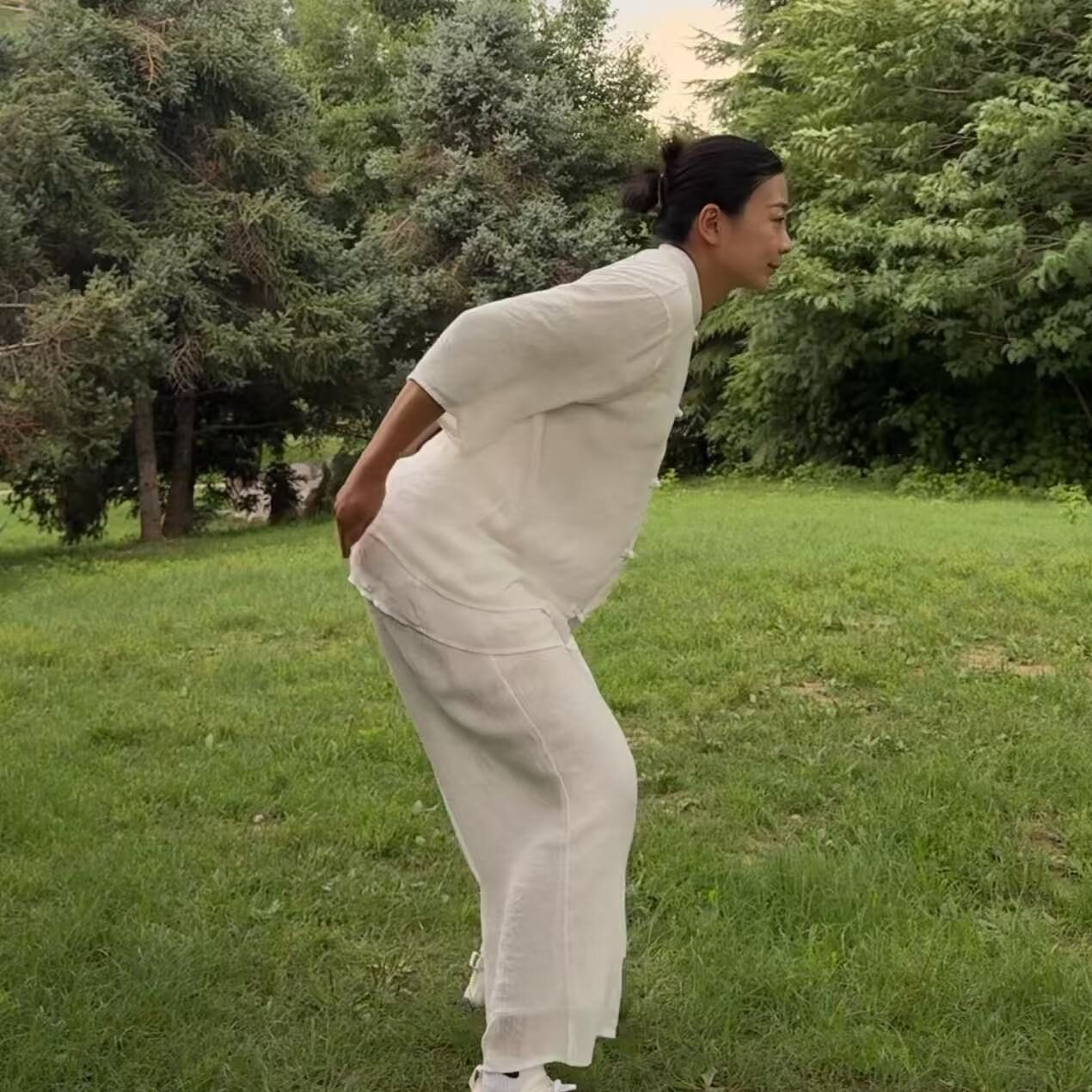
Tai Chi is often described as a “moving meditation,” but behind this quiet phrase lies a rich tapestry of ancient wisdom and human stories. Across centuries, Tai Chi has served not only as a martial art but as a philosophy of living—one that teaches people to understand their bodies, soften their emotions, and reconnect with the natural rhythm of life. Day by day, generation by generation, Tai Chi passed from wise elders to mindful practitioners, eventually becoming one of the world’s most respected no-equipment wellness practices.
Today’s world is filled with noise—fast schedules, glowing screens, and constant tension in the neck, shoulders, and back. Yet, Tai Chi arrives as a gentle reminder: health does not always require intensity; sometimes it requires listening. This idea has guided Chinese wellness traditions for centuries.
Ancient Roots: A Practice Born from Observation of Nature
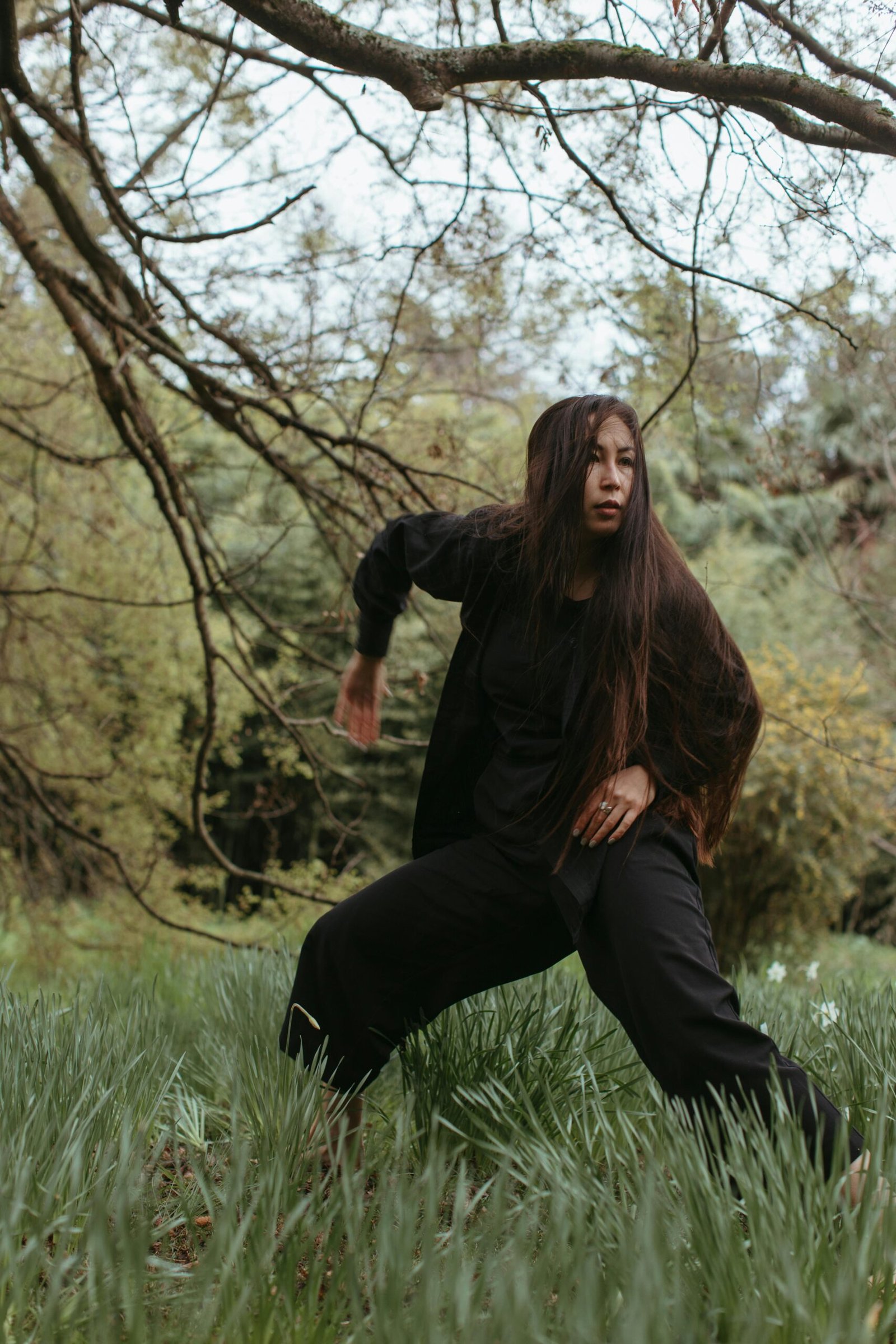
Historically, Chinese health practices were inseparable from the natural world. Early Tai Chi masters learned not from textbooks but from mountains, rivers, clouds, and animals. They studied how cranes expanded their wings effortlessly, how streams curved instead of breaking, how trees bent in wind without snapping. Softness, flexibility, and endurance—these natural qualities later shaped the foundations of Tai Chi.
Legends tell of hermits living in the Wudang Mountains, where mist drifted between pine trees and waterfalls echoed across cliffs. In that solitude, they observed how stillness carried strength and how slowness sharpened awareness. These mountain teachings became the spiritual soil for Tai Chi philosophy—one that values softness over force and balance over domination.
This philosophy made Tai Chi more than movement. It became a mirror that reflects nature’s rhythm, showing people how to move with ease instead of resistance.
Tai Chi as a Path to Body Awareness
One of Tai Chi’s greatest gifts is how it reconnects people with their own bodies. Many modern adults spend long hours sitting, shoulders rounded, breath shallow. Over time, the body forgets how to relax, and tension becomes the “new normal.”
Tai Chi offers a gentle reset.
Through slow, continuous motion, practitioners rediscover the feeling of weight shifting through the feet, the spine lengthening, the breath deepening. These subtle sensations awaken the body’s natural intelligence—something that ancient masters called “knowing oneself through movement.”
Tai Chi helps:
- reduce stiffness in the neck and upper back
- improve joint mobility without strain
- restore natural posture
- strengthen the legs gently through body-weight shifts
- support relaxation through slow breathing
None of this requires equipment or intense physical effort. It requires only presence and patience.
The Quiet Medicine: How Stillness Heals
In Chinese culture, stillness has always been seen as a form of nourishment. Ancient texts describe a state called “静中有动,动中有静”—movement within stillness, stillness within movement. Tai Chi embodies this balance.
Modern science now supports what ancient healers understood:
- slow movement calms the nervous system
- deep breathing reduces stress hormones
- gentle mobility supports circulation
- mind-body practices improve emotional balance
When practiced regularly, Tai Chi becomes a quiet medicine—soft, steady, and deeply restorative.
A Lifelong Wellness Companion
Tai Chi does not demand youth, strength, or flexibility. It grows with the practitioner, adjusting to each person’s age, body, and lifestyle. This makes Tai Chi one of the most sustainable wellness practices for modern life.
People practice it:
- in parks at sunrise
- in living rooms after work
- during breaks to relieve office stiffness
- as part of long-term health routines
It blends effortlessly into daily life, offering support for both physical and emotional well-being.
In this balance of softness and awareness, Tai Chi becomes not only an exercise but a companion for a lifetime.