

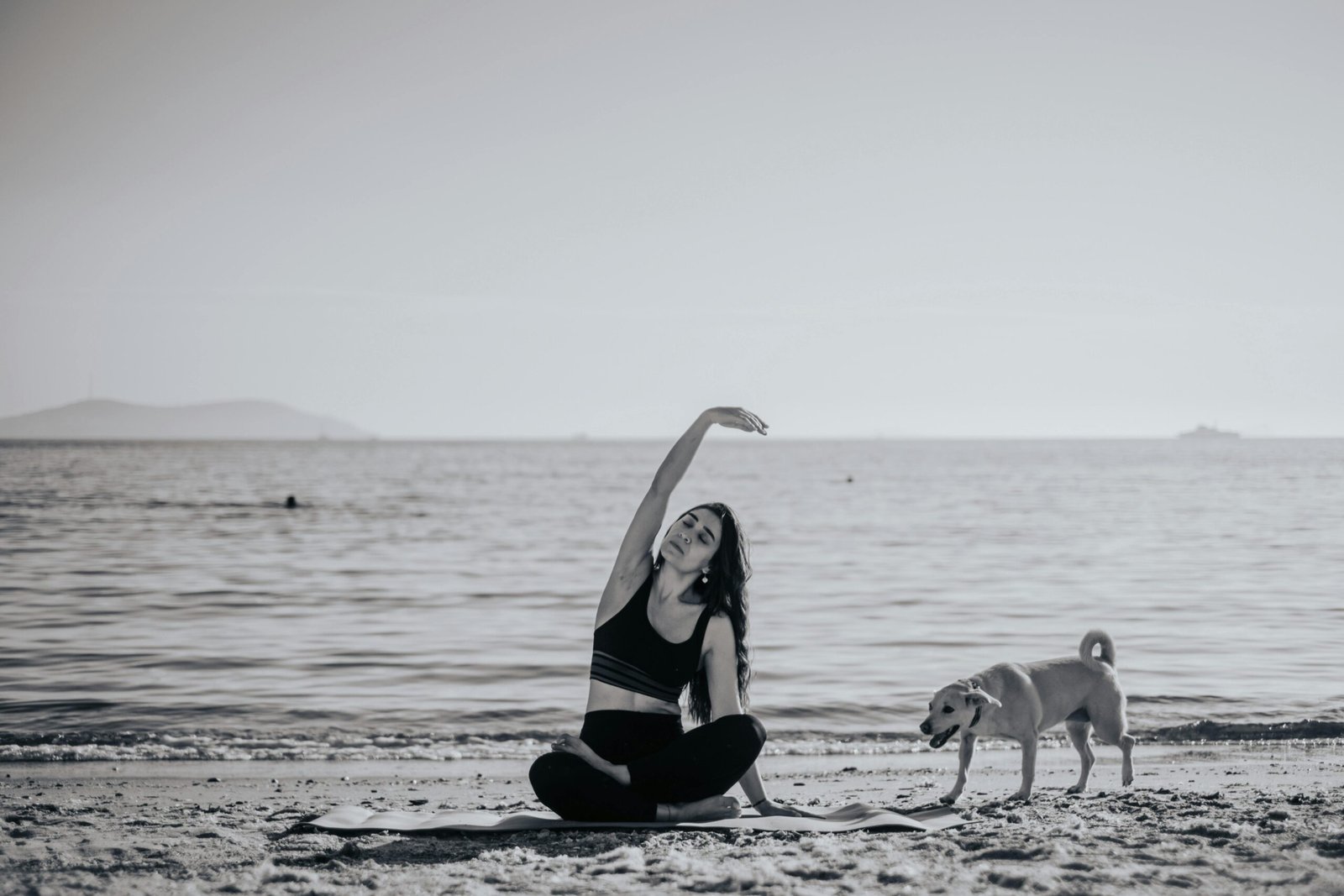
In a world where speed is celebrated and productivity is glorified, an ancient Chinese practice quietly reminds us that true strength is not always loud or forceful—it is often hidden in stillness. Tai Chi, with its slow circular movements and calm breathing, seems gentle on the surface, yet every posture reflects thousands of years of wisdom about the body, energy, and balance.
People often ask, “How can something so slow be considered exercise?” But the truth is, Tai Chi is not just exercise—it is a complete system of bodyweight training, mobility work, breath coordination, internal awareness, and emotional regulation. It is the kind of no-equipment fitness that strengthens you from the inside out.
For centuries, practitioners discovered that when the mind becomes quieter, the body becomes lighter; when movements slow down, awareness deepens; when breathing softens, internal power awakens. Tai Chi teaches us that softness is not weakness—it is another form of strength.
The Ancient Perspective: Moving Without Forcing
Traditional Tai Chi philosophy is rooted in the Daoist idea of wu wei—effortless action. It does not encourage pushing the body aggressively or forcing muscles to exhaustion. Instead, it teaches you to move with intention, precision, and internal alignment.
Every shift of weight, every rotation of hips, and every opening of the spine allows the body to rediscover its natural balance.
This makes Tai Chi especially helpful for:
- People recovering from stiffness
- Office workers who sit for long hours
- Adults experiencing neck or back tension
- Anyone looking for gentle, low-impact wellness
- Individuals who prefer natural, equipment-free fitness
The slowness is not accidental—it is the gateway to deeper awareness.
Strength in Softness: Why Tai Chi Builds the Body Differently
Modern fitness focuses on visible muscles. Tai Chi focuses on the hidden muscles, the stabilizers that keep your posture aligned and your joints safe.
Through slow movement, you begin to feel:
- The grounding strength of your legs
- The soft activation through your spine
- The fluid mobility in your hips
- The natural expansion of the chest through breath
- The calm stability of your center
This is strength built not through tension, but through relaxation.
As Tai Chi practitioners often say:
“When the body relaxes, the real power appears.”
Stillness as a Form of Healing
One of the most overlooked aspects of Tai Chi is its ability to reset the nervous system. Chronic stress, fast breathing, and constant tension cause the body to shift into survival mode. Slow movement does the opposite—it signals safety.
This is why Tai Chi is used today for:
- Stress relief
- Emotional balance
- Sleep improvement
- Digestive health
- Overall energy restoration
The slow rhythm allows the heart rate to settle, the breath to lengthen, and the mind to soften. Many people experience clarity and emotional release simply by moving slowly and breathing consciously.
A Return to Natural Health
Tai Chi is not only a martial art or a wellness exercise—it is a philosophy of living. It encourages people to return to natural rhythms, reconnect with the body, and rediscover calmness in daily life.
As life becomes faster, Tai Chi becomes more valuable.
As the world becomes noisier, its quiet teachings become more needed.
As modern lifestyles create imbalance, this ancient practice teaches us how to restore it.
Tai Chi reminds us:
Strength is not always in power.
Sometimes, strength grows in stillness.